
Hamsab: A fatwa vs. suicide bombings
There has never been a shortage of fatwas. These legal rulings or opinions made by religious authorities address a wide array of issues concerning politics and social norms, and have both justified and widely condemned the use of violence. In 1998, Al Qaeda ideologues Osama bin Laden and Ayman al-Zawahiri issued a fatwa “to kill the Americans and their allies.”
However, since then, a number of imams and scholars have issued fatwas against Al Qaeda and other terrorist groups. In November 2008, for example, more than 6,000 Muslim clerics in India signed a fatwa against terrorism, following a similar edict issued earlier in the year by India’s top Islamic institution Darul Uloom Deoband.
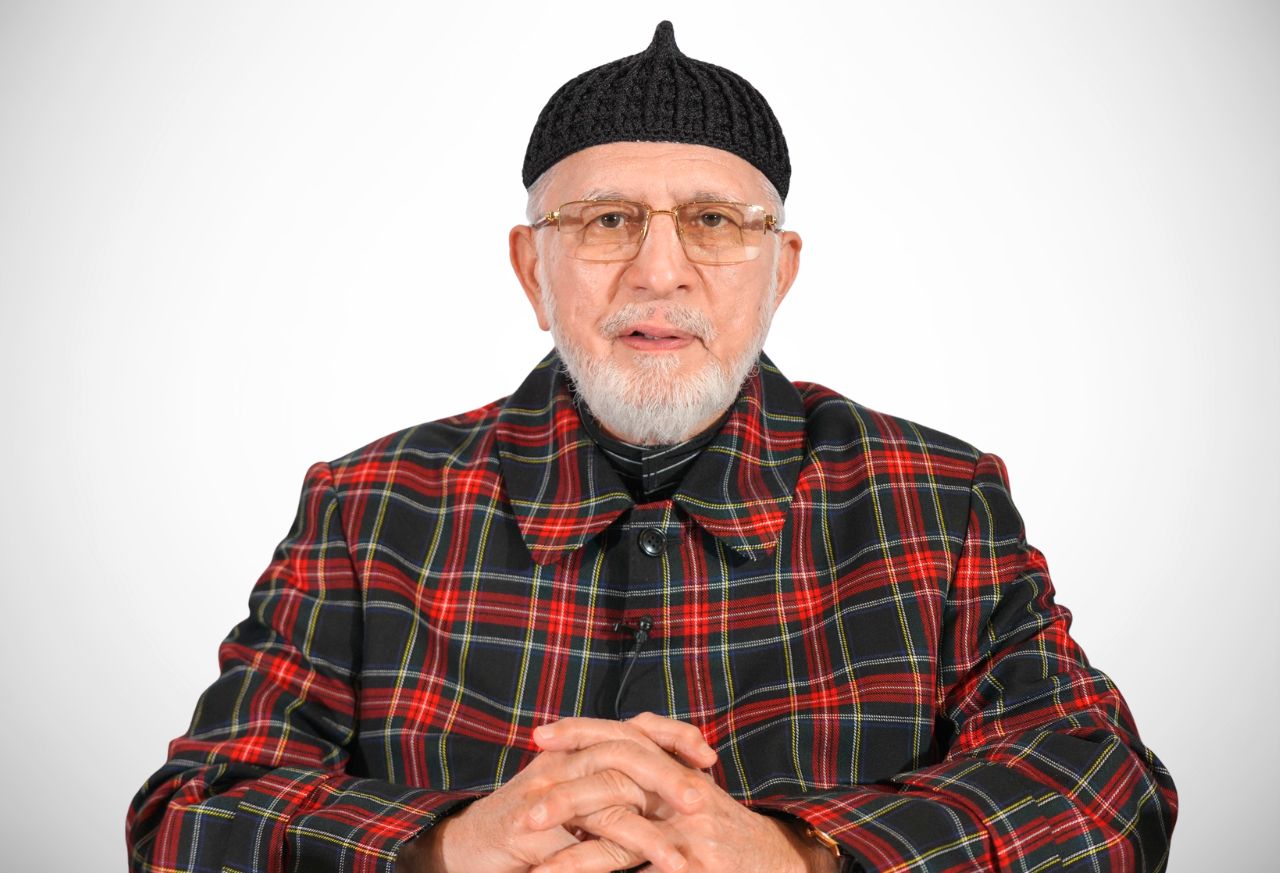
Most recently, Dr. Tahir ul-Qadri, a Pakistani Barelvi Muslim scholar, issued a 600-page global ruling against terrorism and suicide bombing, which provides a point-by-point theological rebuttal “of every argument used by Al-Qaeda inspired recruiters.” Although many scholars have released similar fatwas in the past, Dr. Qadri, the founder of Minhaj al-Quran International, “argued that his massive document goes much further by omitting ‘ifs and buts’ added by other thinkers,” noted the BBC.
According to the 80-page summary of the edict:
Dr Tahir-ul-Qadri goes that crucial step forward and announces categorically that suicide bombings and attacks against civilian targets are not only condemned by Islam, but render the perpetrators totally out of the fold of Islam, in other words, to be unbelievers.
The fatwa has garnered much press attention among western news outlets, such as Fox News, CNN, and the Washington Post. But while many have celebrated the release of a religious decree grounded in Islamic jurisprudence and history, others remain doubtful of its actual impact on potential young suicide bombers. While Minhaj al-Quran International is active in 70 countries and has 5,000 members in the UK, Qadri is considered to be relatively liberal and tolerant. Therefore, the people that would follow and accept his fatwa are unlikely to be the same as those susceptible to being recruited by Islamist militant groups.
Ambassador Akbar Ahmed, the Ibn Khaldun Chair of Islamic Studies at American University in Washington DC, further emphasised, “The Sunni religious authority, as distinct from the Shi’a religious authority, is fragmented. So there’s not one figure who can issue a fatwa that every Sunni will listen to.” While Ahmed noted that any fatwa of this kind is important, the problem we are facing with suicide bombers “is that they are not from the same class [as moderate scholars like Qadri]. These young recruits respond much more to their own imams and preachers.”
No one questions the airtight credibility of Qadri’s text. But the issue we should raise is not whether the fatwa will have an impact, but how to ensure that it does. Fatwas or edicts of this kind can be influential if they are implemented in a culturally nuanced way, using language that can be understood by the intended target audience. In other words, if militant recruiters are using drone strikes to vilify the United States or the Pakistani government, countering this ideology requires messaging that takes similar realities into consideration. Although Qadri’s fatwa is based in exhaustive academic research, most young jihadists won’t take the time to sift through 600 pages in their decision-making.
Qadri may not be a universally accepted figure, but his text can be used as the focal point for a strategic communications campaign geared towards countering militancy and terrorism. This fatwa will only have the intended effect if local imams and religious leaders from various sects endorse and adapt it for their nuanced communities – applying Qadri’s language and framing it within the ground realities.
Madrassa leaders more open to reform can incorporate the fatwa’s text into their curriculum. Imams of local mosques can use the fatwa’s framing of terrorists as today’s Khawārij in their sermons, subsequently making it digestible for the public. Rather than simply shutting down jihadist chat rooms, intelligence agencies can create pop-up ads using language from the fatwa to vilify and undermine militant ideology. Pamphlets, billboard ads, and radio spots can be other potential mediums.
We are well-aware that Islam is a religion of peace, that it has been hijacked by militant and terrorist organisations to justify violence and intolerance against Muslims and non-Muslims alike. The question, therefore, is how do we use that knowledge to make a tangible difference?
Ultimately, Qadri’s 600-page fatwa has its limitations, and could very likely end up on the metaphorical shelf, gathering dust. But this airtight research could instead be used to enforce a more localised and nuanced campaign that could have a more strategic impact.
By Kalsoom Lakhani







Comments