
Leadership Is Not Merely About Power and Authority; It Is About Service, Responsibility, and Accountability: Prof. Dr. Hassan Qadri
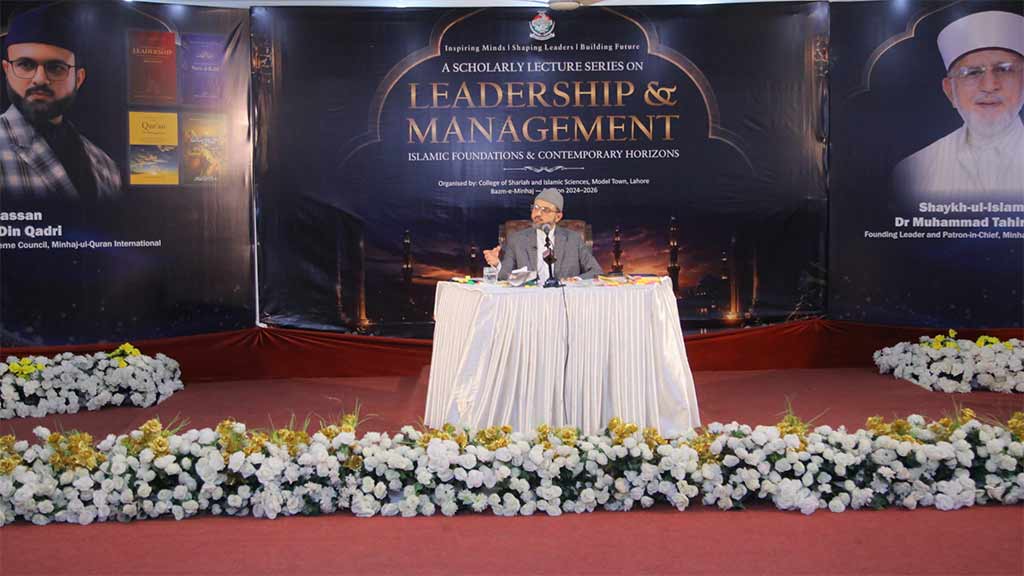
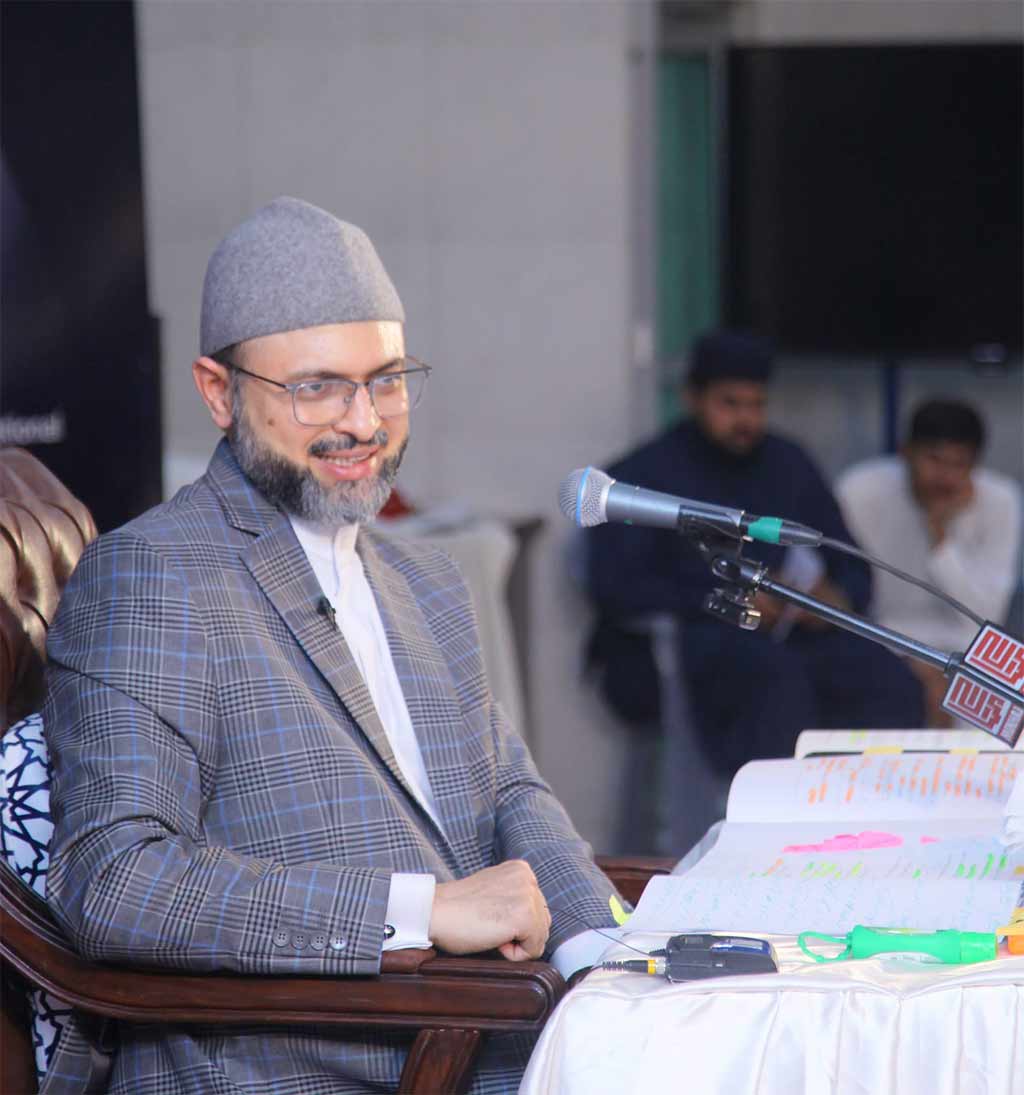
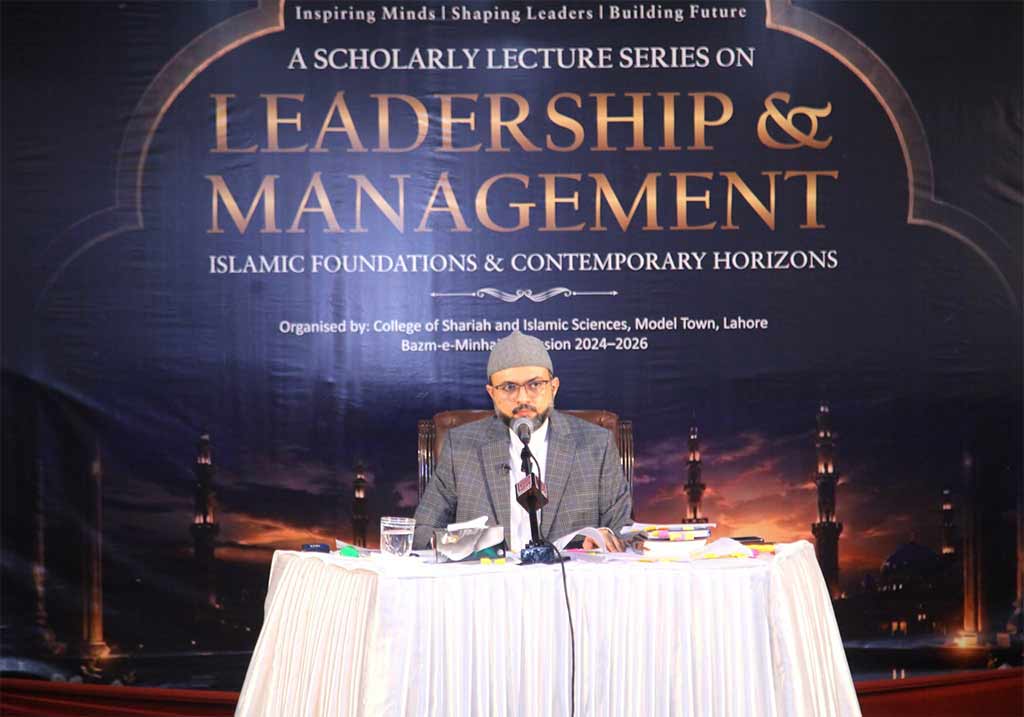
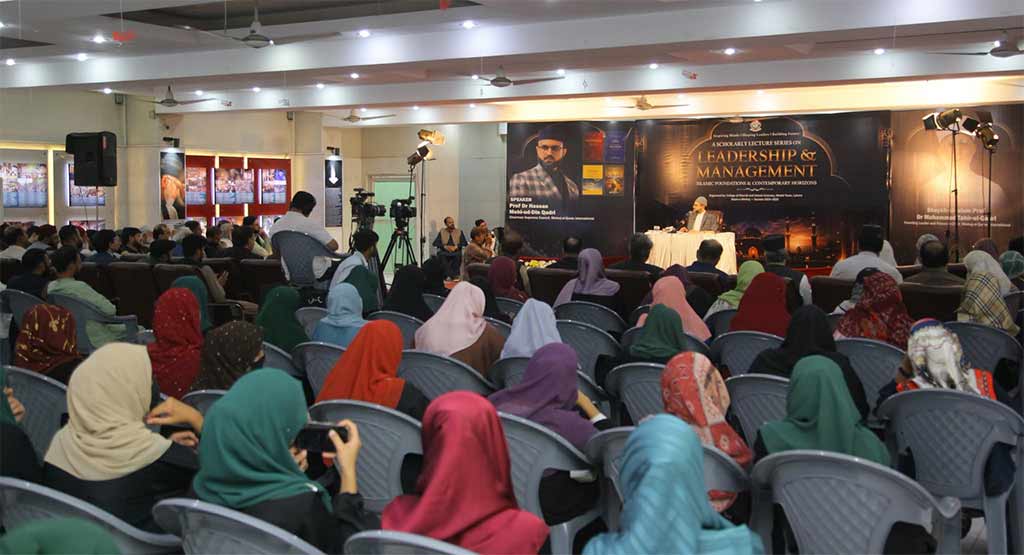
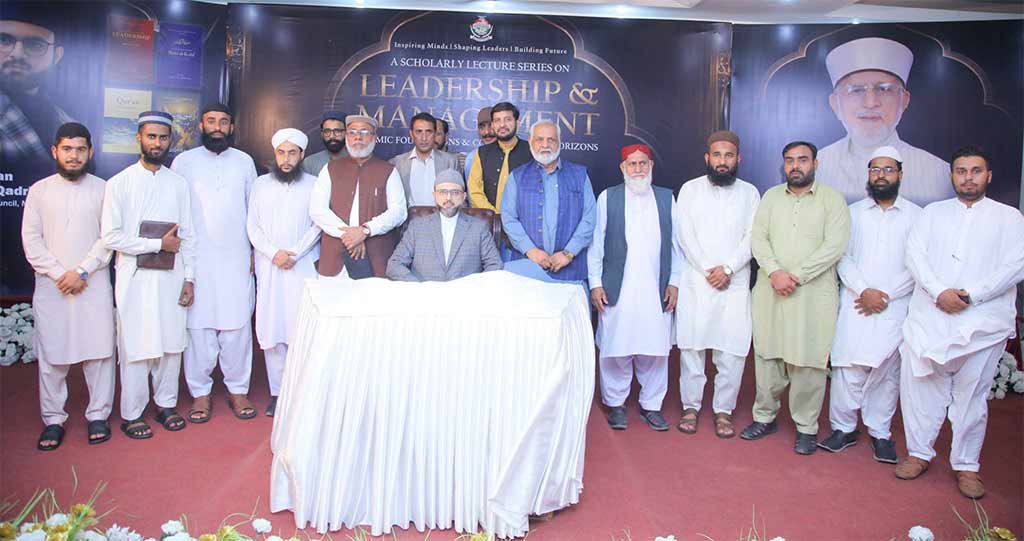
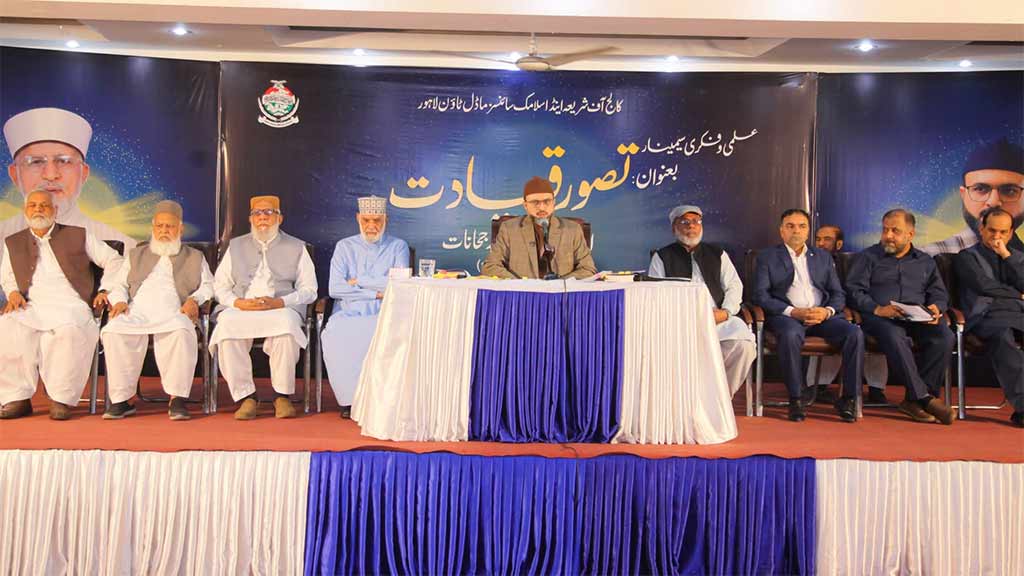
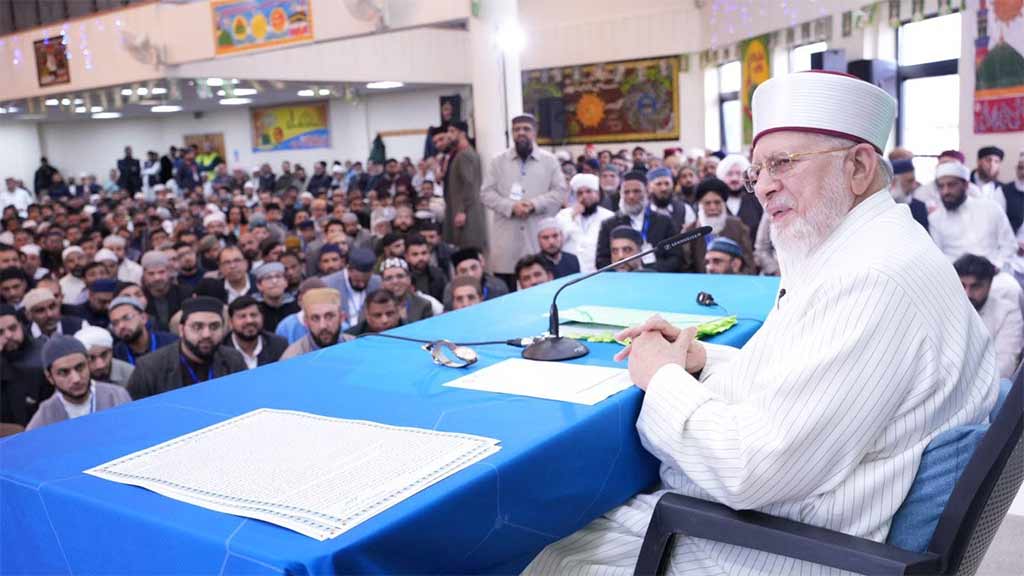
Chairman of the Supreme Council of Minhaj-ul-Quran International, Professor Dr. Hassan Mohi-ud-Din Qadri, participated in a special session titled “Leadership & Management” organized by the College of Shariah and Islamic Sciences (COSIS).
Addressing the participants, he stated that the Holy Qur’an and the blessed Seerah of the Prophet Muhammad ﷺ constitute the most fundamental and comprehensive sources of leadership and management. He emphasized that many of the principles promoted by modern management science are already embedded in the Qur’an and Sunnah.
He explained that a true leader is one who equips friends, students, and colleagues with leadership capabilities and passes on knowledge, experience, and insight to others.
Discussing the concept of Servant Leadership, he said that it is founded upon service to humanity, humility, modesty, and sincere concern for others. According to him, the foremost quality of an effective leader is the ability to listen attentively, as careful listening forms the basis of sound decision-making and effective leadership. He further noted that empathy and an understanding of people’s emotions and challenges are essential characteristics of a leader.
The Chairman of the Supreme Council added that the role of a leader extends beyond issuing instructions; it also includes the reform, development, guidance, and mentorship of people. A genuine leader remains aware of the concerns of subordinates, colleagues, and the wider community and is committed to their welfare and well-being.
Referring to the State of Madinah as an exemplary model of human resource management, consultation, time management, and collective leadership, he remarked that leadership is not merely about power and authority but rather about service, responsibility, and accountability.
Concluding his address, Dr. Hassan Mohi-ud-Din Qadri stressed that the principles of leadership and management should not remain confined to academic discussions but should become an integral part of everyday life. Successful and effective leadership, he said, becomes possible only when knowledge, character, and action are harmoniously aligned.
He further explained that management is the process of giving knowledge an organized direction and a clear purpose, whereas leadership is the ability to identify the right objectives and successfully bring them to fruition.
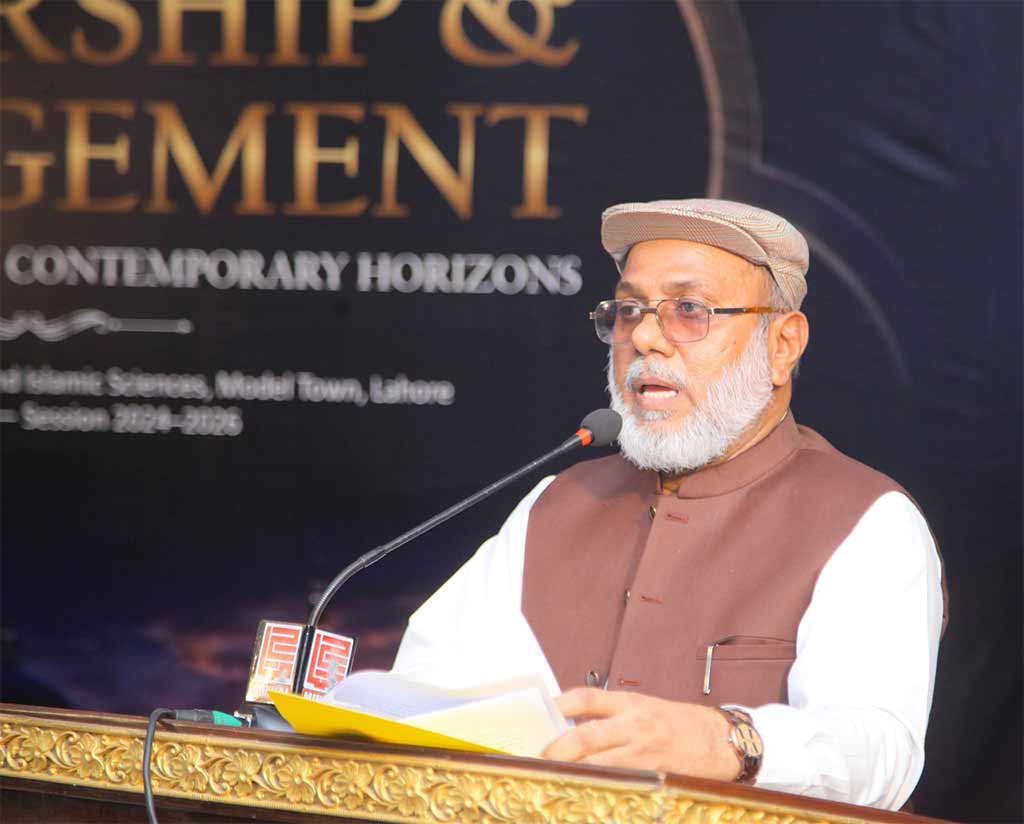
Earlier, Principal of the institution, Professor Dr. Mumtaz-ul-Hasan Barvi, in his welcome address, stated that one of the primary objectives behind the establishment of the institution is to produce graduates equipped with intellectual, academic, and social leadership skills. He emphasized the need for leadership that goes beyond theoretical knowledge, remains responsive to contemporary challenges, embraces service to humanity as its guiding principle, and possesses the capacity to guide society effectively.
He further observed that the global network of educational, missionary, welfare, and social institutions established by Minhaj-ul-Quran serves as practical evidence of the visionary leadership and effective management of Shaykh-ul-Islam Dr. Muhammad Tahir-ul-Qadri. He also noted that in previous sessions, Prof. Dr. Hassan Mohi-ud-Din Qadri had presented various leadership models, types, characteristics, and practical dimensions in a thoroughly researched manner, drawing upon the Qur’an, Sunnah, the Prophetic Seerah, and Islamic history.
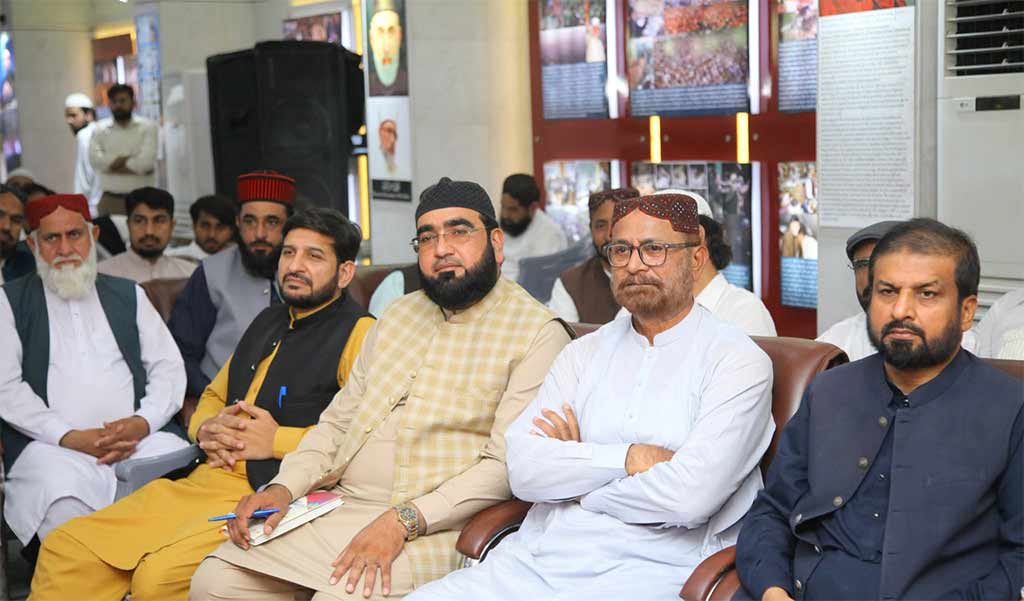
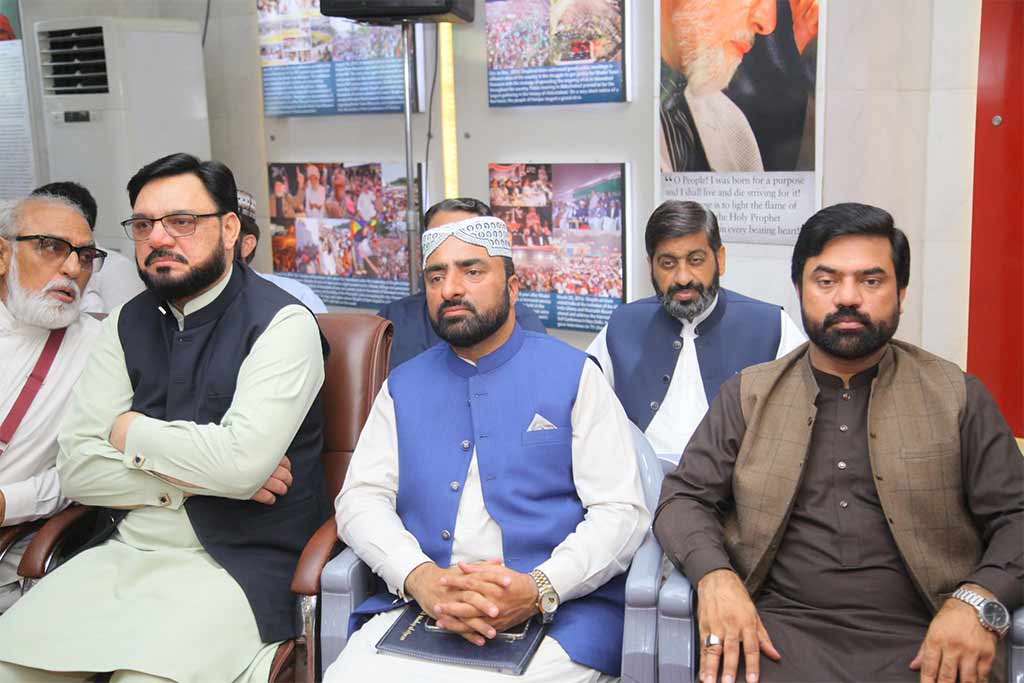
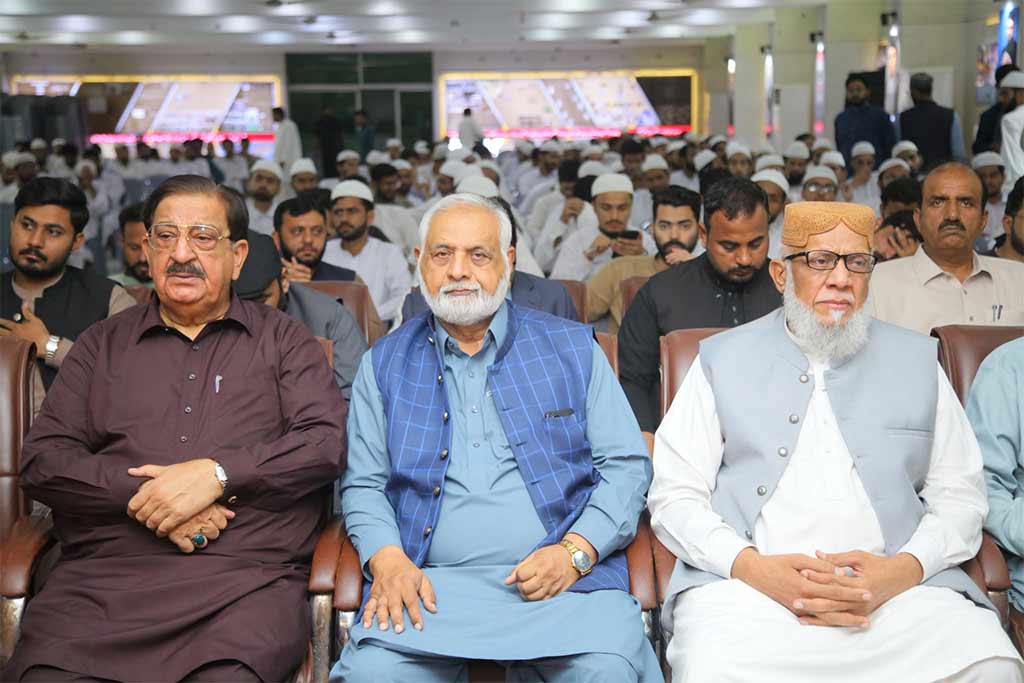
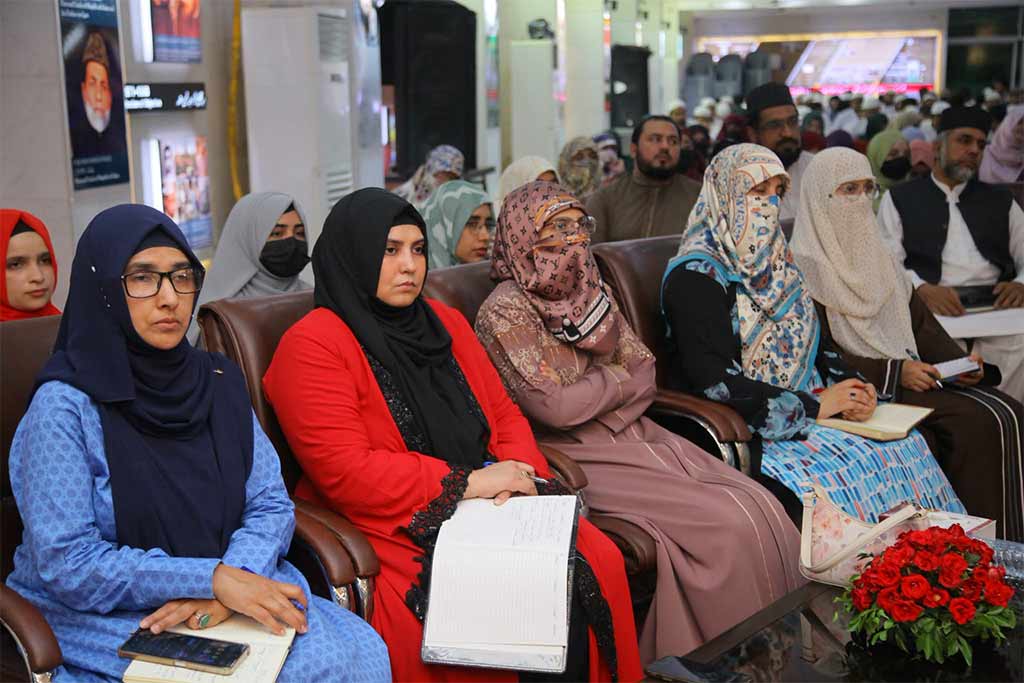
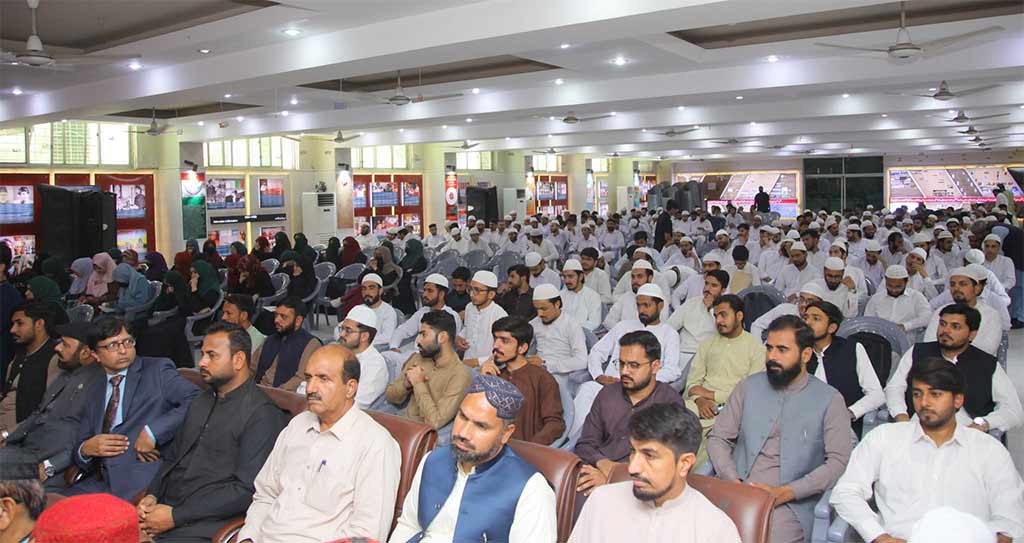
The session was attended by senior officials of Minhaj-ul-Quran International, scholars, religious leaders, teachers, students, female students of Minhaj College for Women, students of Jamia Naeemia Lahore, and a large number of participants from academic and religious circles.












Comments