
True 'Sidq' Lies in Complete Truthfulness of Character, Not Just Words: Shaykh-ul-Islam Speaks at International Spiritual Gathering
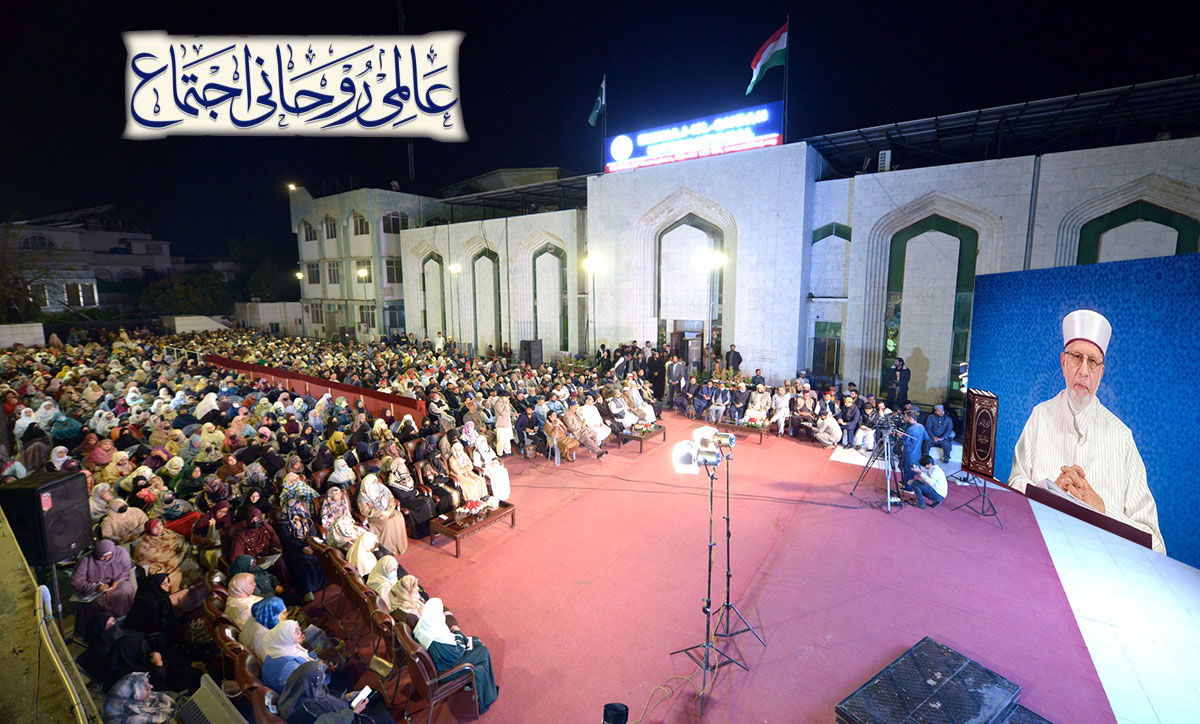
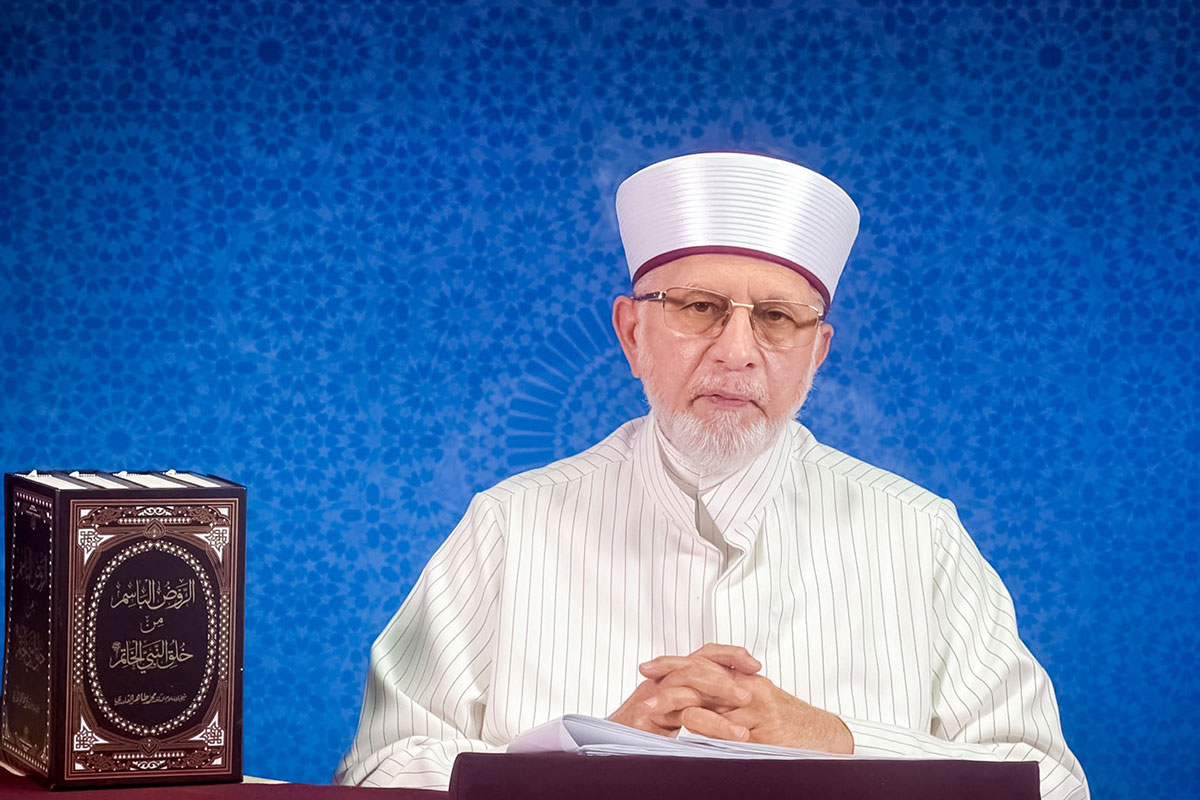
If a person’s speech, intention, resolve, promises, actions, and dealings are all grounded in truthfulness, then they attain true ṣidq (sincerity and truth): Special address by Shaykh-ul-Islam Dr. Muhammad Tahir-ul-Qadri at the annual international spiritual gathering held on the 27th night of Ramadan at the central secretariat.
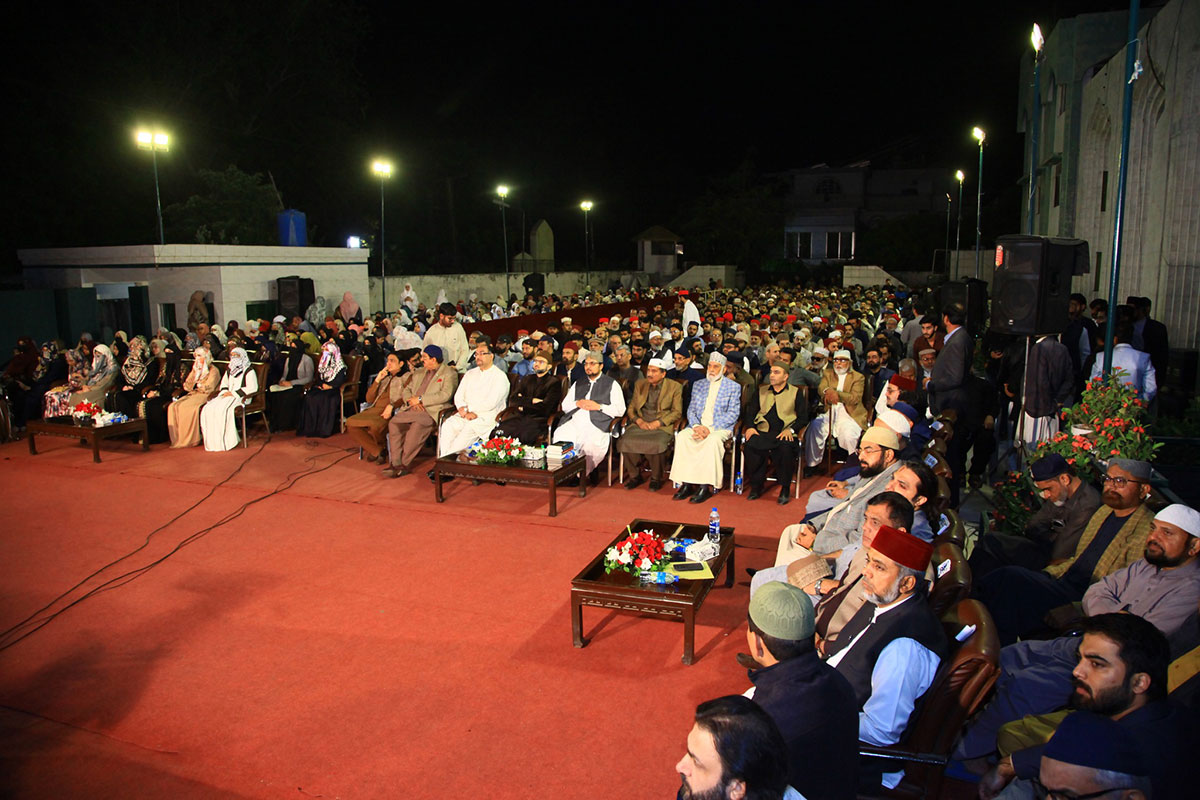
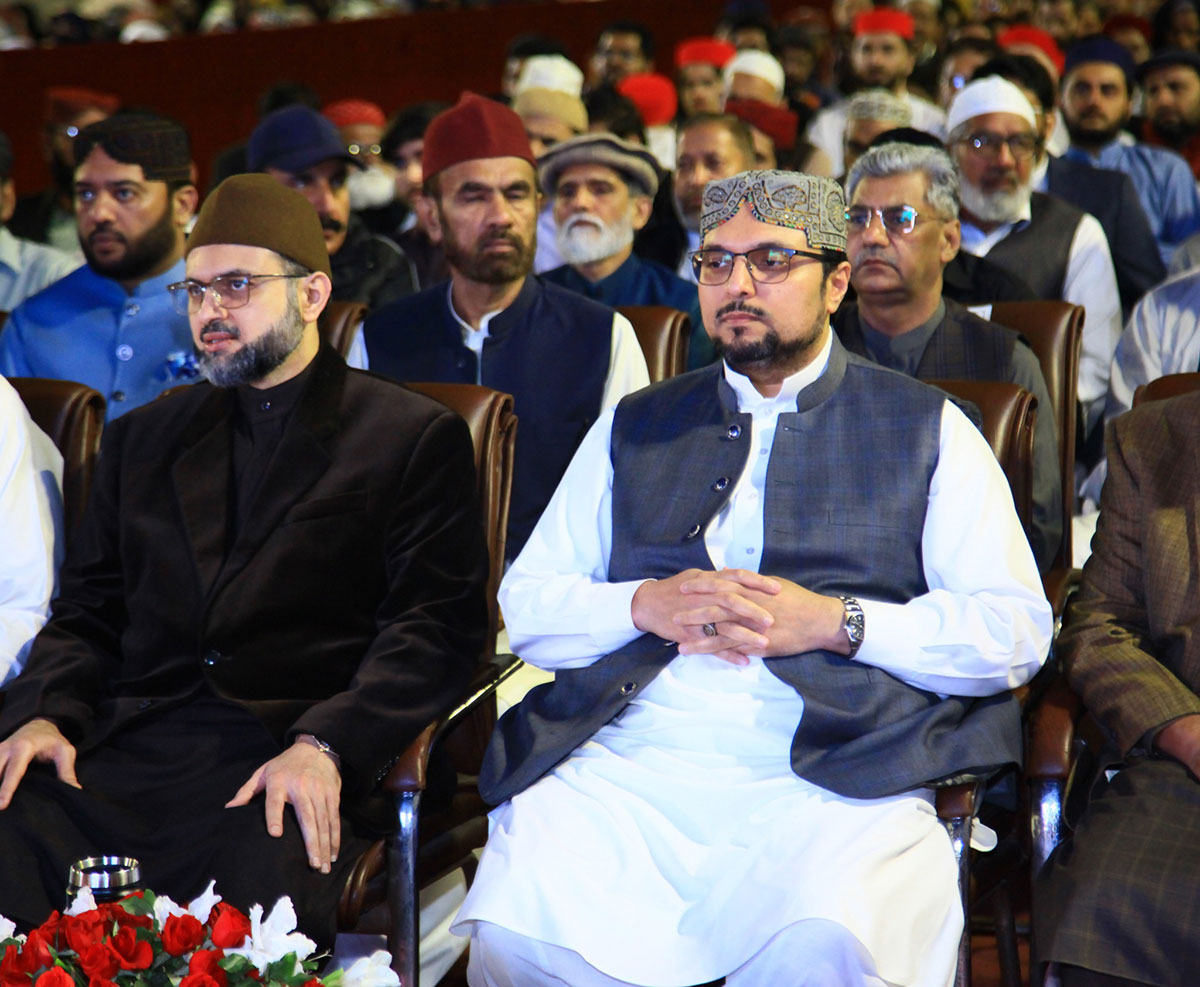
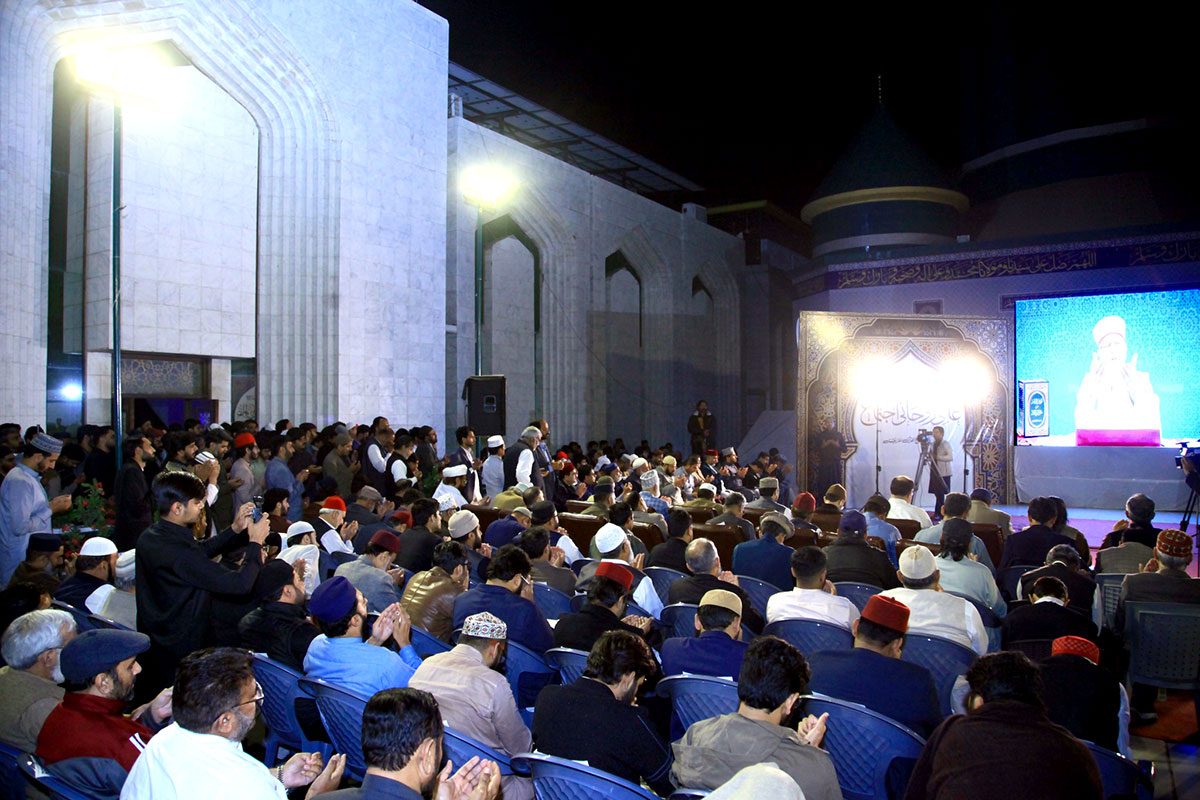
Shaykh-ul-Islam Dr. Muhammad Tahir-ul-Qadri delivered a special address at the annual international spiritual gathering held on the 27th night of Ramadan at the central secretariat of Minhaj-ul-Quran International. He said that after the first revelation, the noble qualities of the Holy Prophet ﷺ mentioned by Umm al-Mu’minin Khadijah al-Kubra (may Allah be pleased with her) constitute, in reality, the first comprehensive introduction to the Prophetic character in human history.
He said that among these qualities, one fundamental attribute is ṣidq al-ḥadīth—absolute truthfulness—meaning that the outward and inward being of the Holy Prophet ﷺ was entirely imbued with truth.
He stated that truthfulness is not limited to speaking the truth; rather, it encompasses the entirety of a person’s personality, including intentions, resolve, actions, dealings, and responsibilities. He said when a person’s speech, intention, resolve, promises, actions, and dealings are all based on truth, they attain true ṣidq. In Islamic ethics, truthfulness has multiple dimensions, including truth in speech (ṣidq al-qawl), sincerity of intention (ṣidq al-niyyah), truth in resolve (ṣidq al-‘azm), fulfillment of promises (ṣidq al-wafā), sincerity in action (ṣidq al-‘amal), and honesty in dealings (ṣidq al-mu‘āmalah). Without these aspects, complete truthfulness cannot be achieved.
Shaykh-ul-Islam further stated that the Holy Qur’an places a very premium rank on truthfulness. He said that Allah Almighty commands the believers to adopt piety and remain in the company of the truthful, for the companionship of truthful people leads one toward the status of truthfulness. He added that on the Day of Judgment, only truthfulness will benefit a person, and every individual’s deeds will be made manifest before them.
Referring to the moral decline of the present age, Dr. Tahir-ul-Qadri said that the cunning of the ill-commanding self and the manipulations of mind have come to dominate human life, weakening values such as truthfulness and integrity. The Muslim Ummah, he said, must seek guidance from the Prophetic model and promote truthfulness in both individual and collective life. He said that on the Day of Judgment, accountability will be so precise that the earth, human limbs, and the entire being of a person will testify to their deeds. Therefore, a believer should prioritize eternal success in the Hereafter over temporary success in this world.
Dr. Tahir-ul-Qadri further said that the life of the Holy Prophet ﷺ teaches us to adorn our character with such truthfulness that people can understand the very meaning of truth by observing us. This is the path that leads a person to the love of Allah, closeness to Him, and ultimate success in the Hereafter.
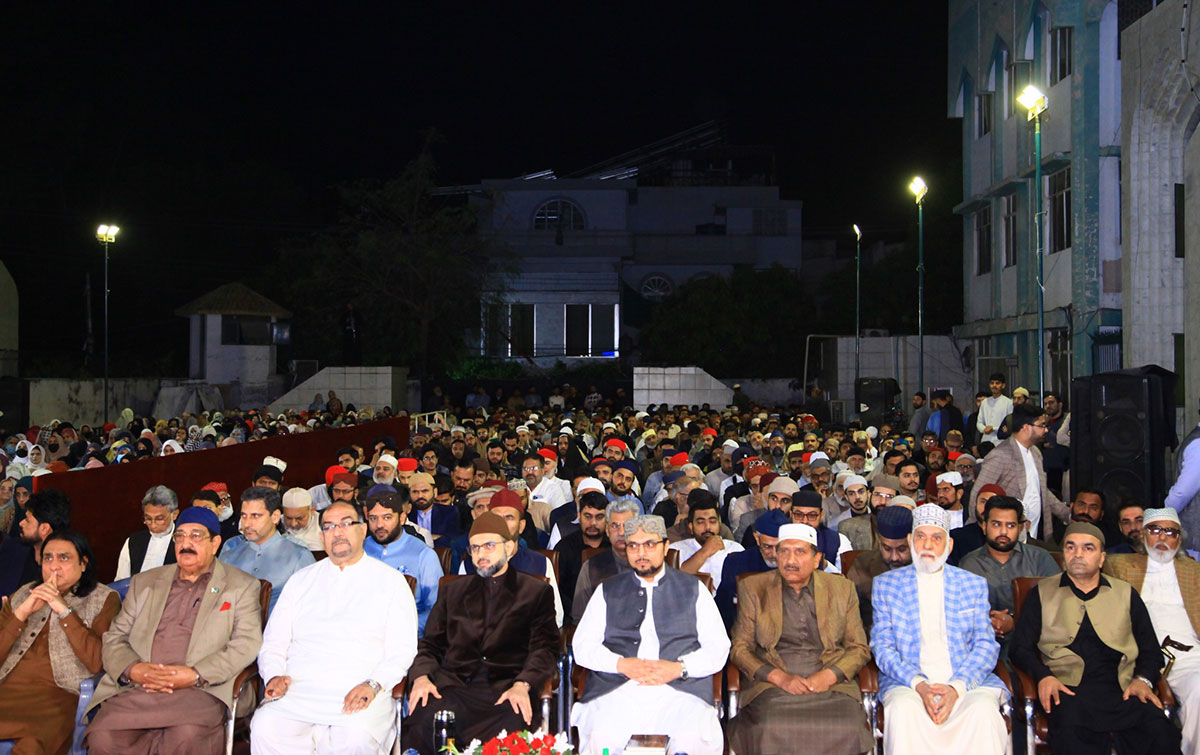
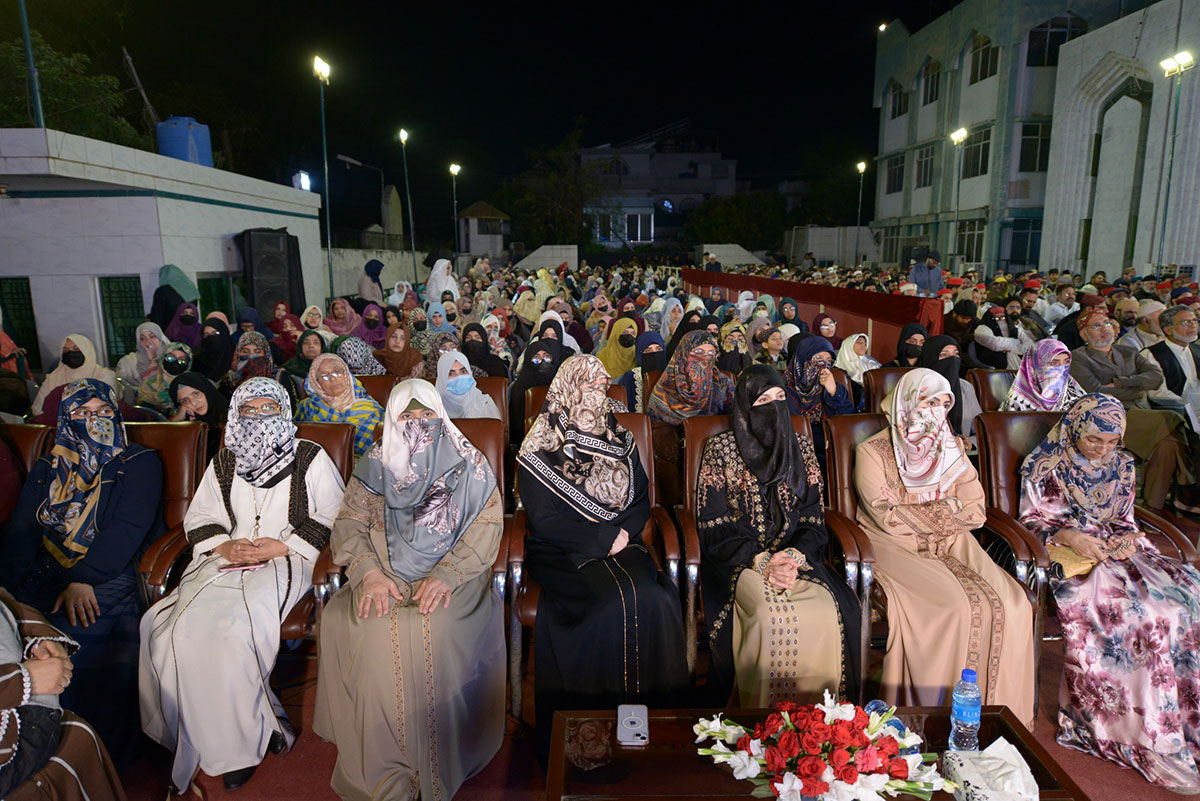
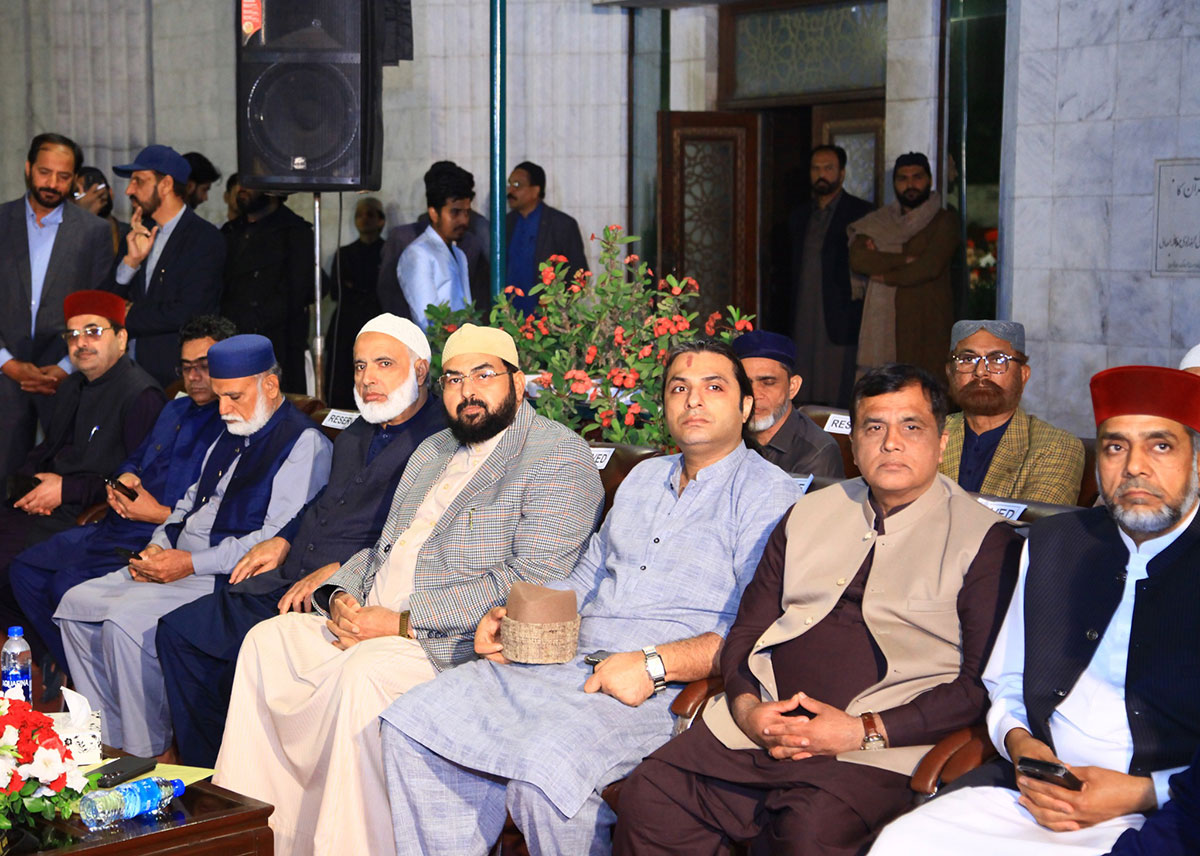
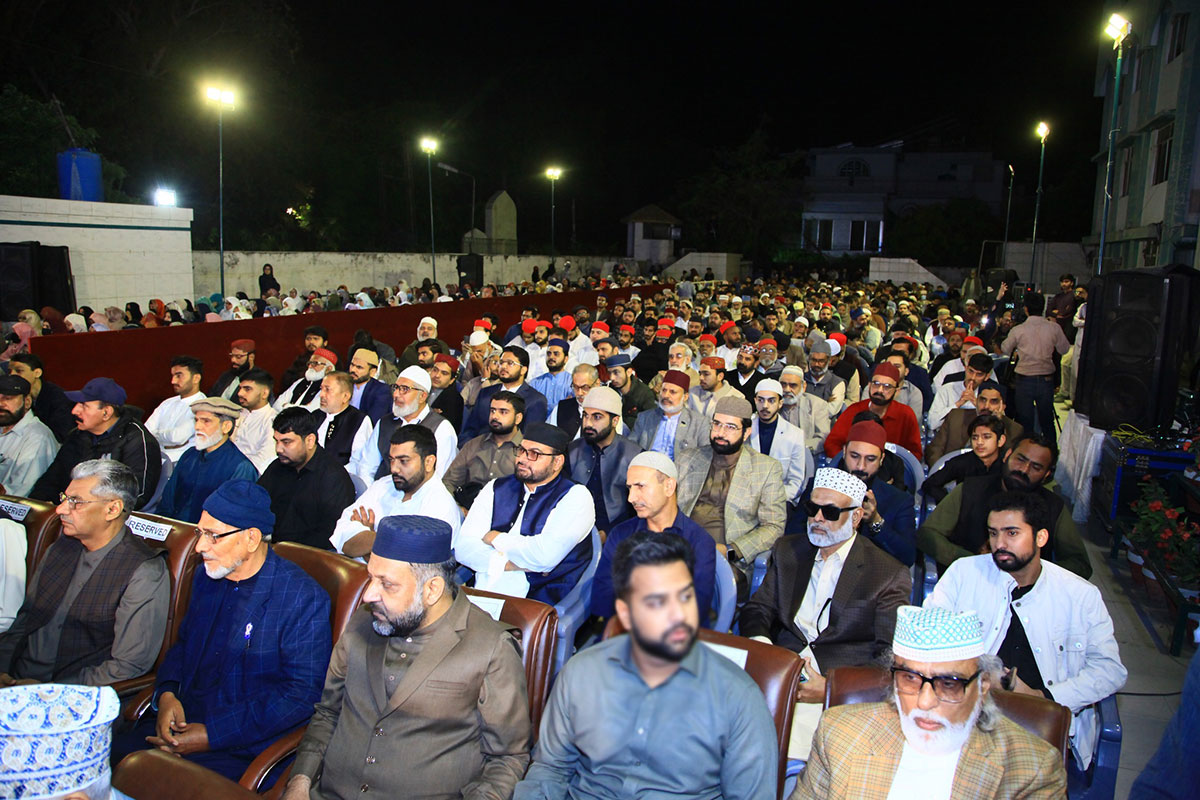
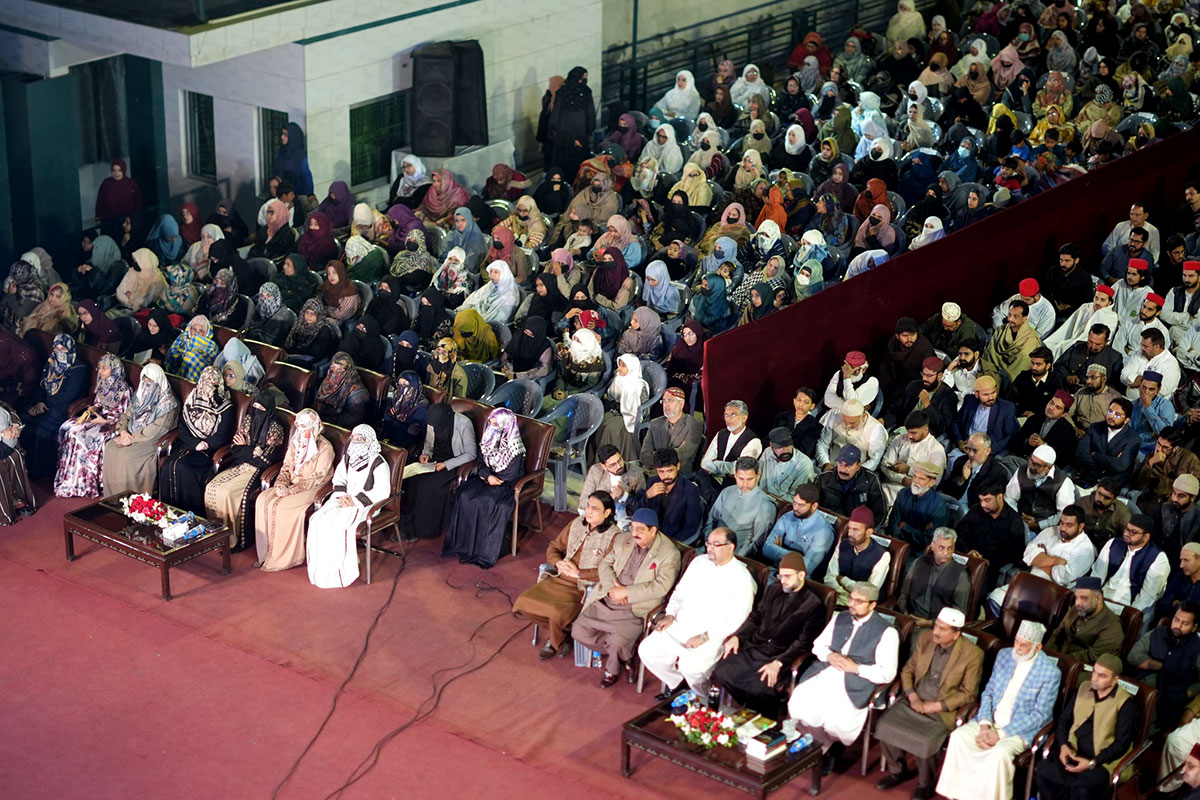
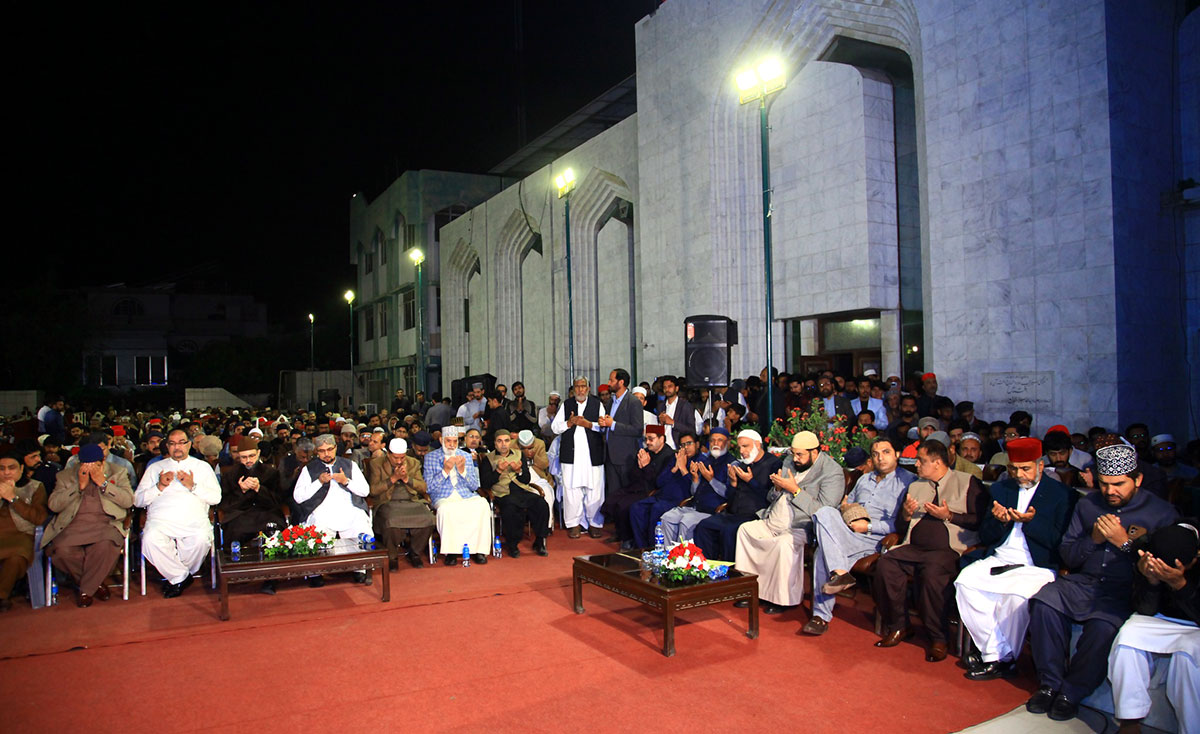
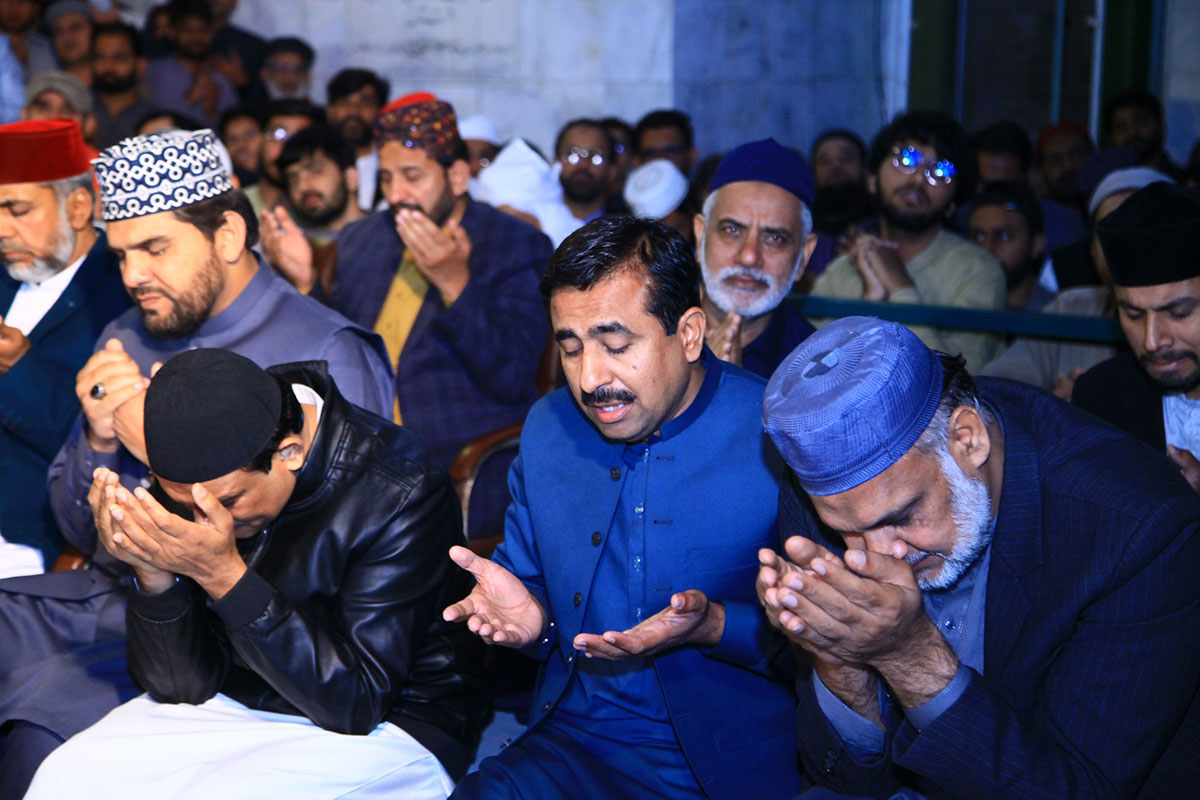
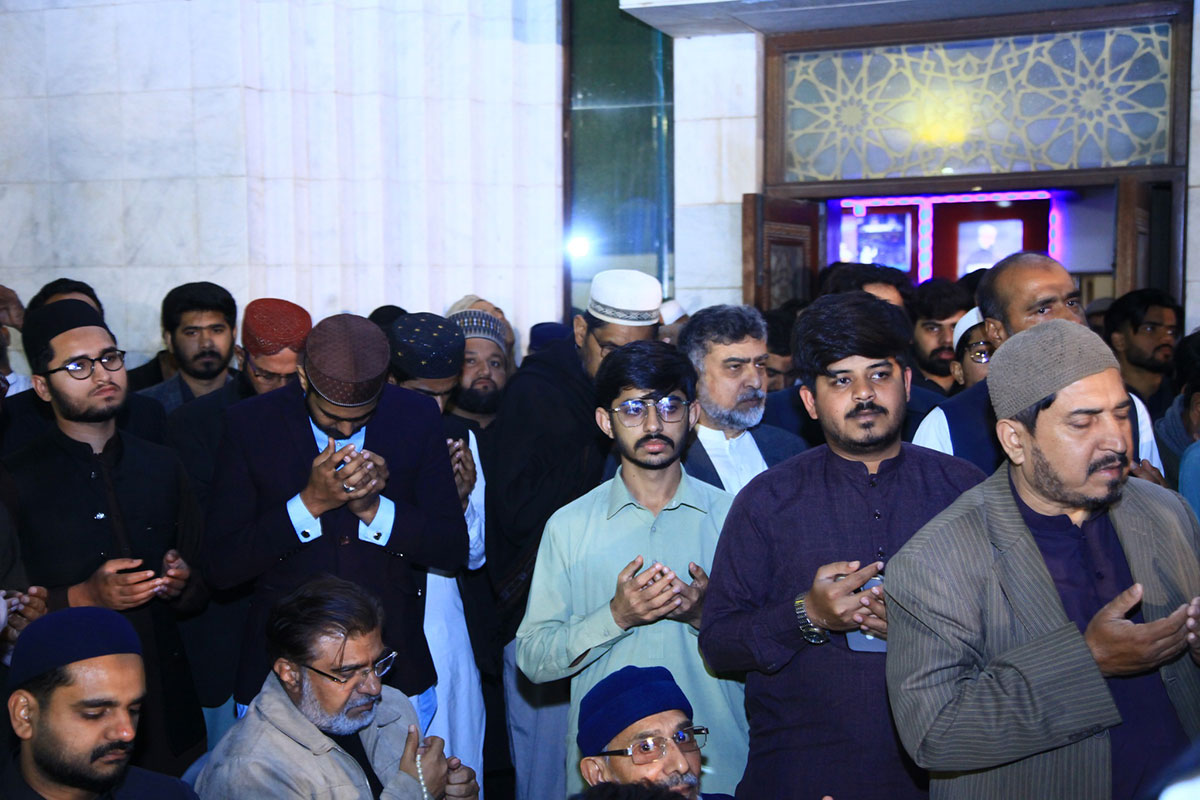
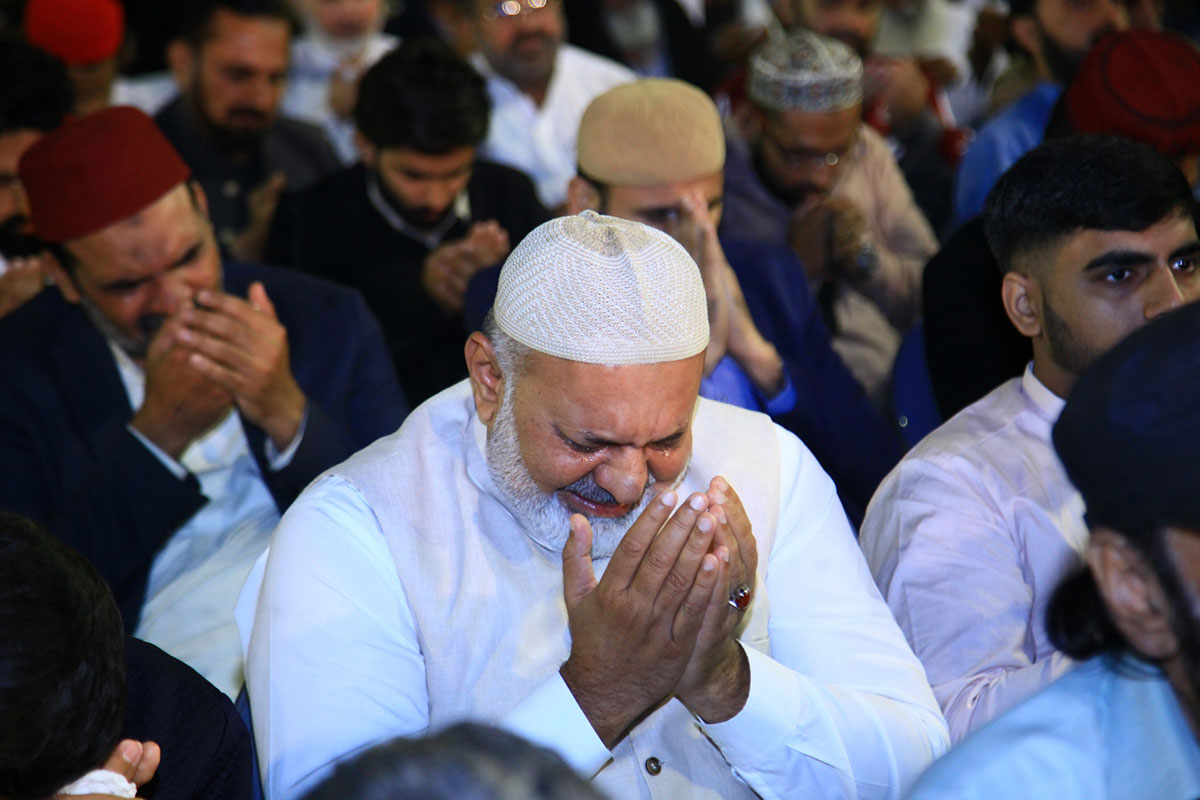
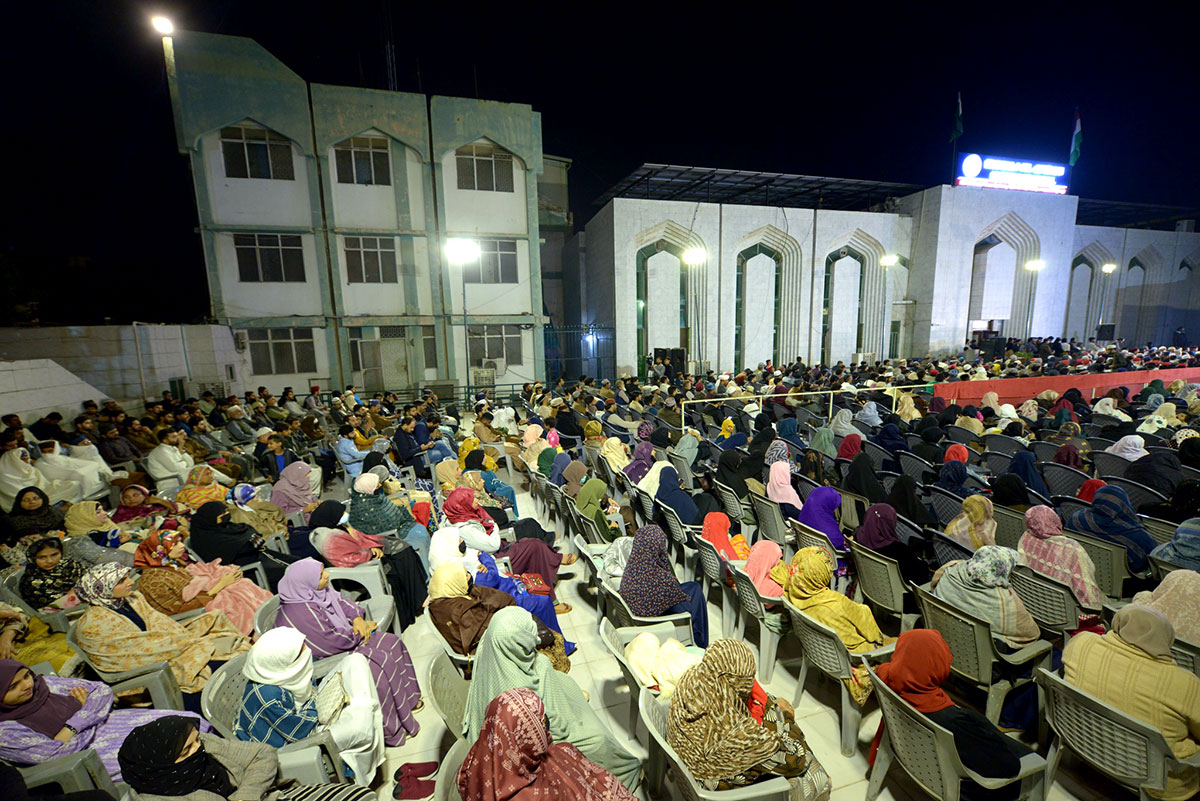
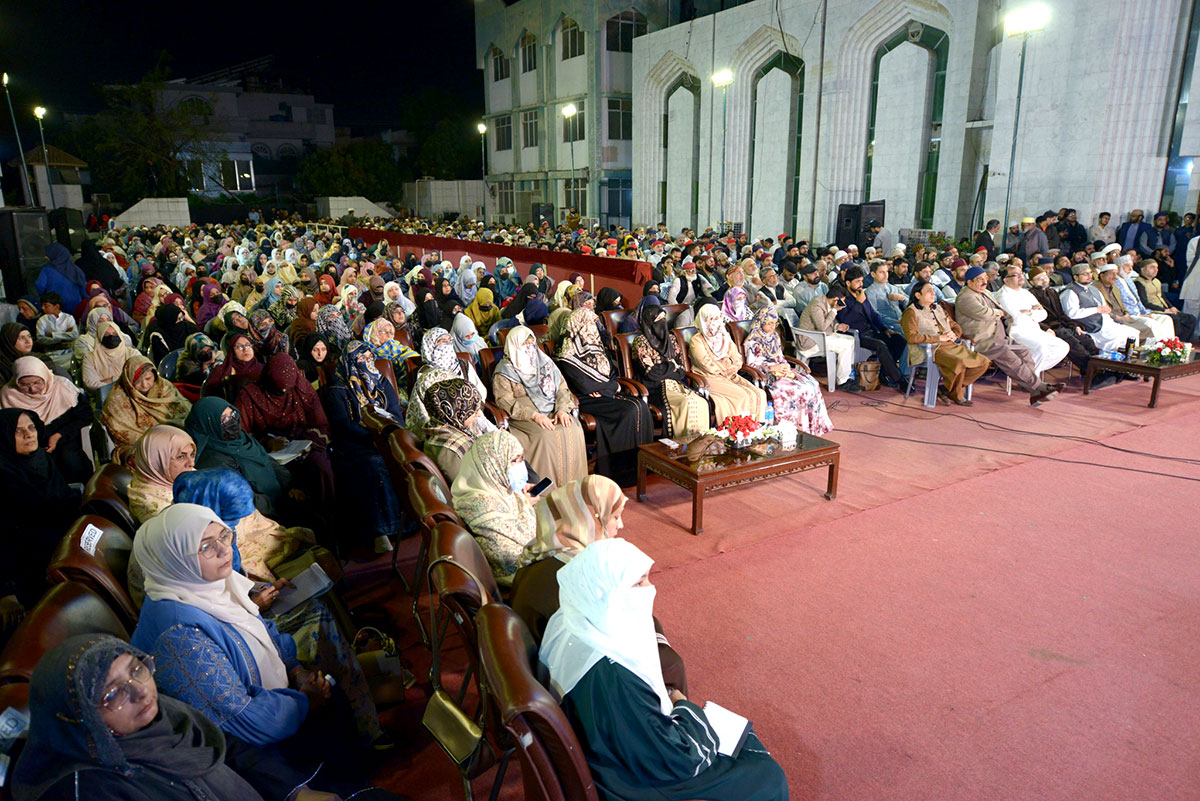
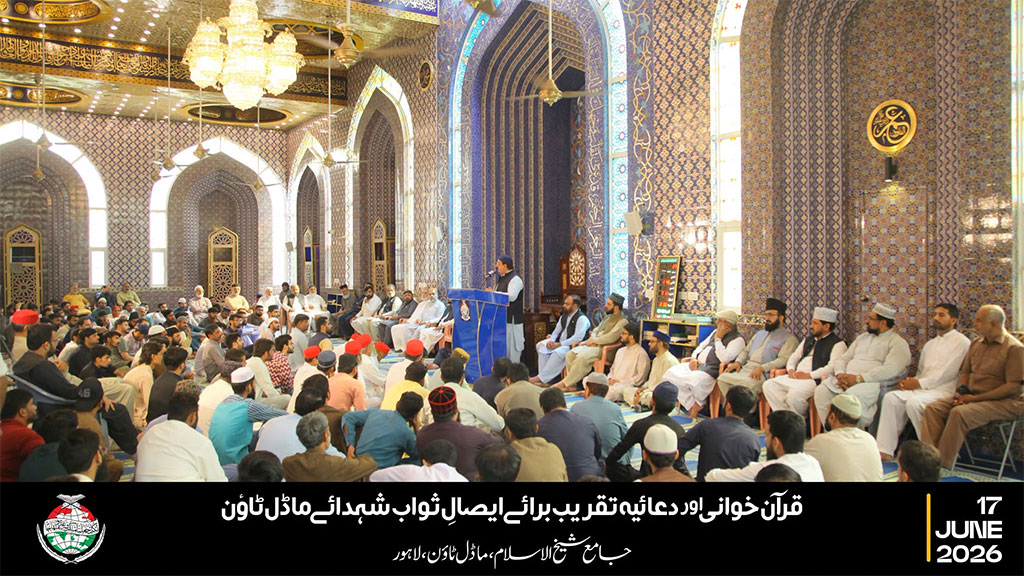
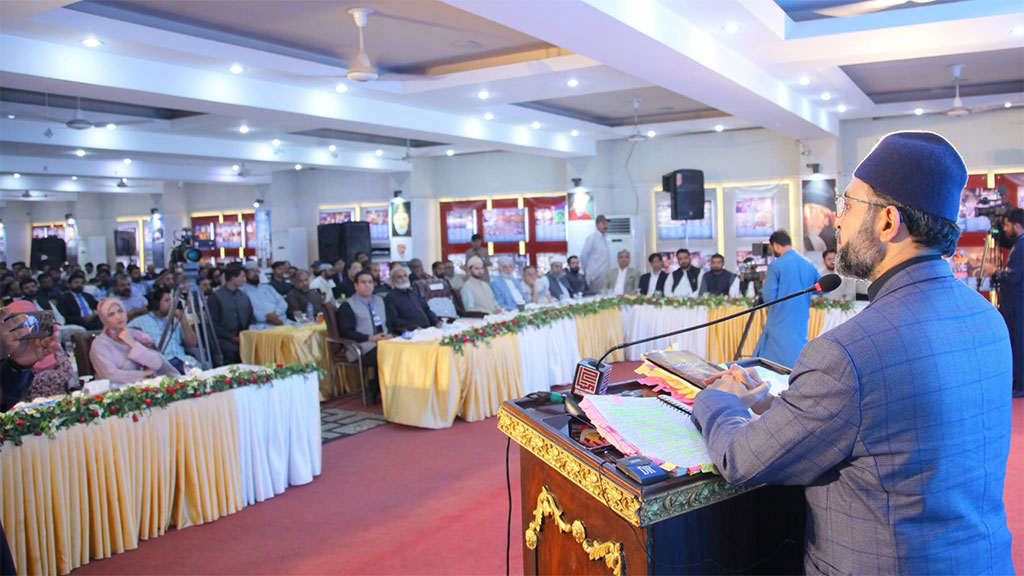
On the occasion of Laylat al-Qadr, this annual spiritual gathering held on the 27th night of Ramadan at the central secretariat was attended by senior leaders, scholars, and a large number of participants, including Prof. Dr. Hassan Mohi-ud-Din Qadri, Prof. Dr. Hussain Mohi-ud-Din Qadri, Haji Abdul Ghafoor Qadri, Khurram Nawaz Gandapur, Dr. Ghazala Qadri, Ms. Fizza Hussain Qadri, Shahbaz Aslam, Azhar Siddique (Advocate Supreme Court), Barrister Aamir Hassan, Chaudhry Muhammad Asif (EC Member FRAYA), and many other scholars, leaders, and members of Minhaj-ul-Quran and its forums, along with a large gathering of the people.











Comments