
Halal and Tayyib as a Comprehensive Economic System: Prof. Dr. Hussain Mohi-ud-Din Qadri Outlines Reform Roadmap for Pakistan
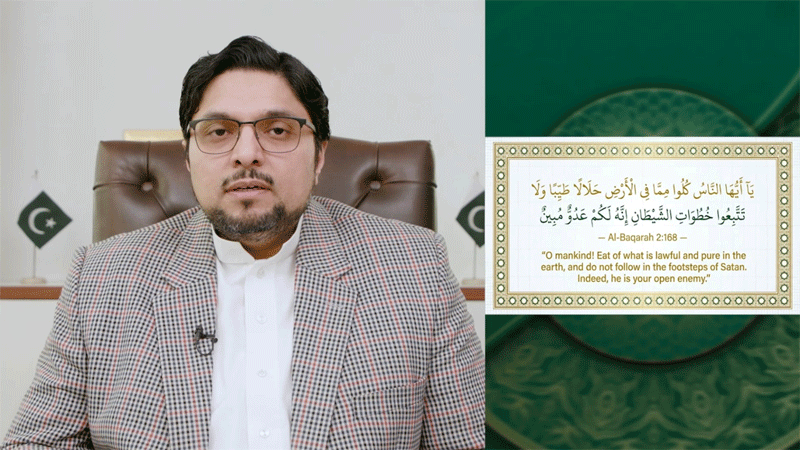
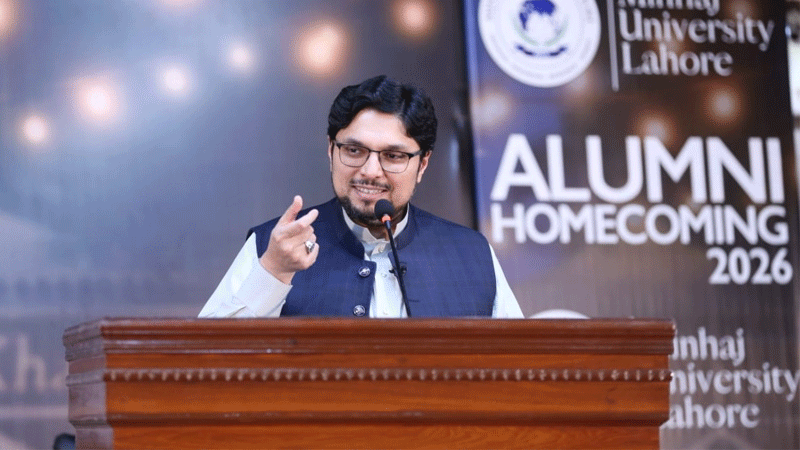
Deputy Chairman, Board of Governors, Minhaj University Lahore, and Chairman, Center for Halal Awareness, Research and Training (CHART), Prof. Dr. Hussain Mohi-ud-Din Qadri, in his detailed and comprehensive address, presented an in-depth overview of global trends in the halal industry, structural challenges facing Pakistan, and a forward-looking, multi-dimensional reform roadmap for the future. He based his speech on a verse of the Holy Qur’an in which Allah Almighty instructs humanity to consume what is lawful (halal) and pure (tayyib) and to avoid the pathways of Satan. According to him, this verse is not merely a dietary guideline but the foundation of a complete economic, ethical, and social system.
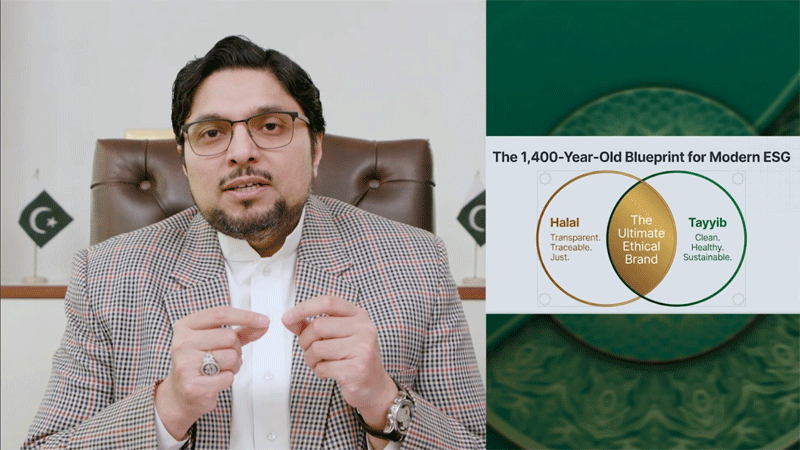
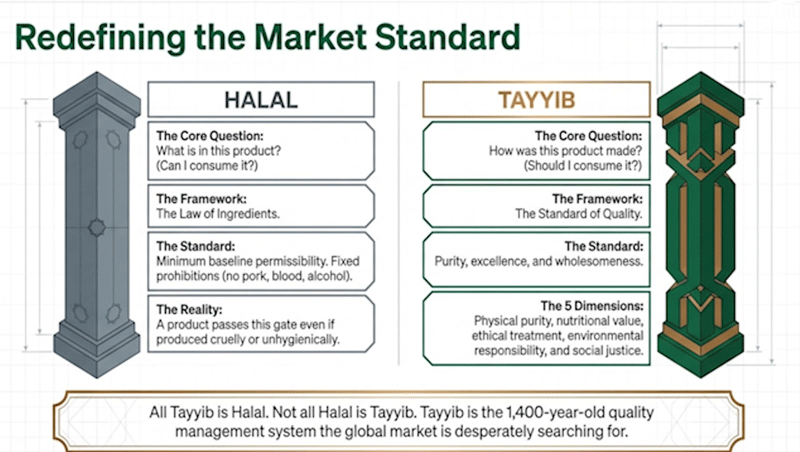
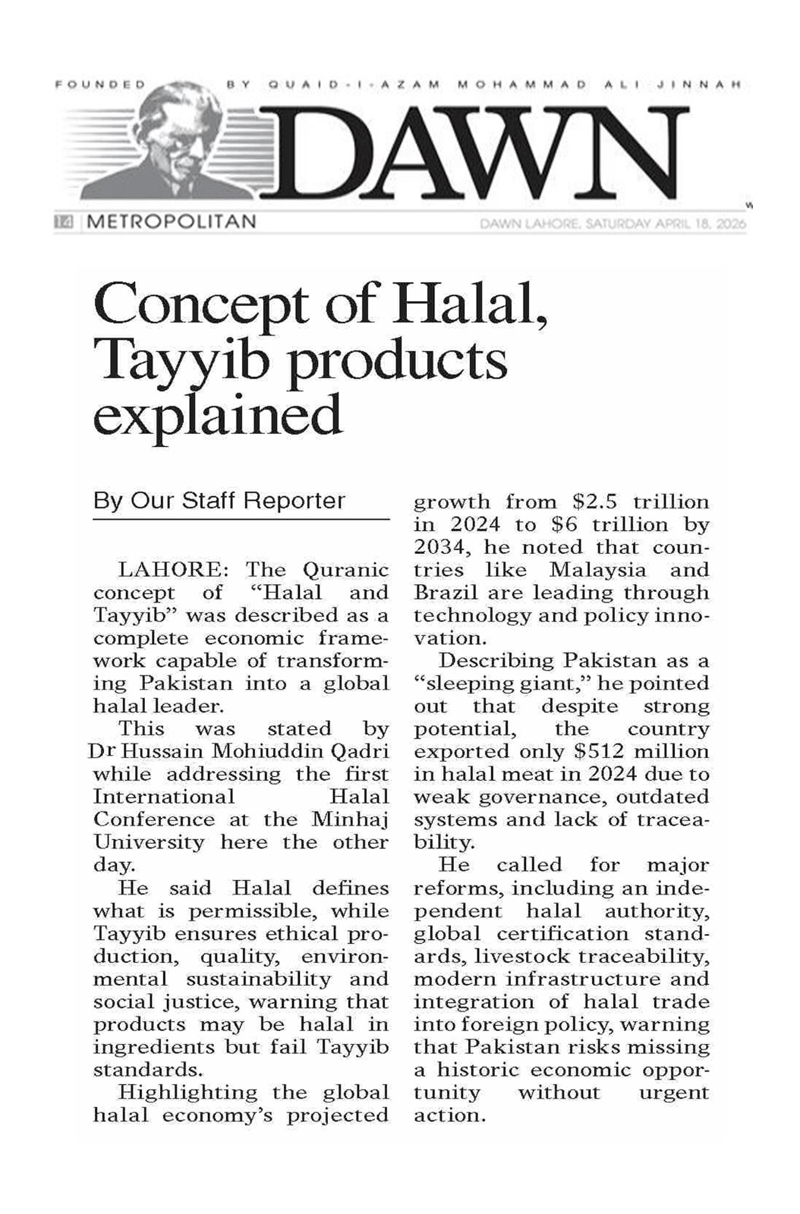
He explained that “Halal” is a fundamental Shariah standard that determines the permissibility of a product in terms of its ingredients and sources, ensuring compliance with Islamic law. In contrast, “Tayyib” is a broader and more comprehensive concept that goes beyond permissibility, encompassing the entire production system, including quality, hygiene, ethics, and environmental impact. Tayyib products are those that are beneficial for human health, free from contamination and harmful substances, produced with ethical treatment of animals and workers, environmentally sustainable, and transparent in their supply chains with social justice ensured. In this context, he clarified that everything that is Tayyib is necessarily Halal, but not everything that is Halal is necessarily Tayyib, establishing a critical benchmark between quality and ethics in today’s global economy.
He emphasized that this concept is not a modern discovery but was presented 1,400 years ago in the Holy Qur’an as a complete “quality and ethical management system.” What the modern world describes as sustainable development, ethical sourcing, and the green economy is, in fact, a contemporary interpretation of this Qur’anic framework.
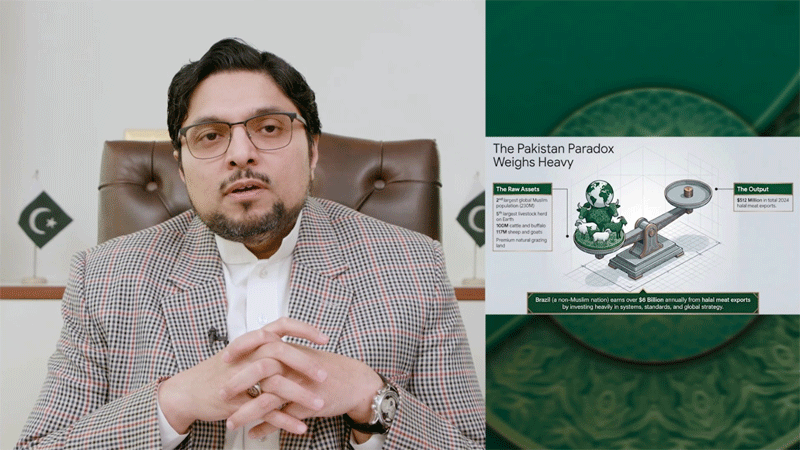
In the context of Pakistan, he highlighted several practical and institutional challenges hindering the growth of the halal industry. Slaughterhouses in Pakistan still operate with outdated and non-standard methods, while modern cold chain and cold storage infrastructure required for export standards is almost non-existent. Similarly, diseases such as Foot and Mouth Disease (FMD) prevent Pakistani meat from accessing international markets, including the Gulf countries, the European Union, China, Japan, and South Korea. Furthermore, Pakistan lacks a robust national livestock traceability system, which weakens global buyer confidence.
He also pointed out that Pakistan’s food safety laws are ineffective, as they are fragmented across multiple institutions with no unified national standard. This situation makes it difficult for small businesses to bear the cost and complexity of international certification, keeping them out of global markets. He further described illegal livestock exports as a significant economic loss that diverts national resources into informal channels.
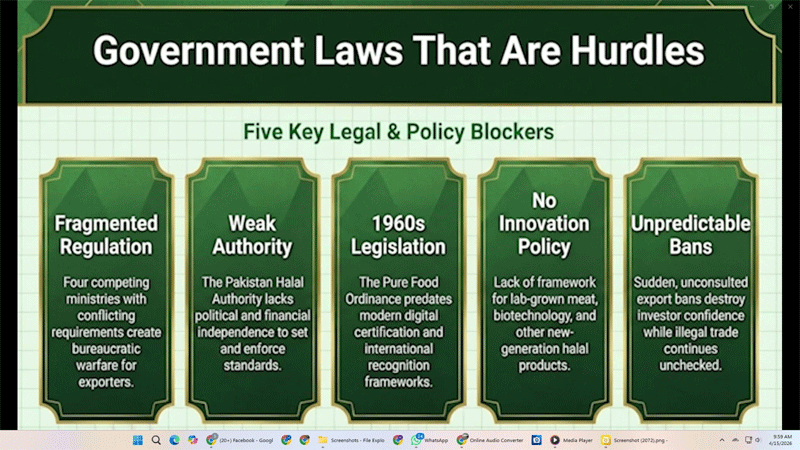
He termed Pakistan’s regulatory structure a “multi-ministry problem,” where the halal industry is divided among various ministries, including Science and Technology, Commerce, Agriculture, and Religious Affairs. Due to a lack of coordination, exporters face multiple and sometimes contradictory approvals, creating bureaucratic complexity and systemic obstruction.
He also noted that the Pakistan Halal Authority Act of 2016 is limited in effectiveness due to a lack of operational autonomy. Its budgetary and policy control remain under different ministries, preventing it from functioning at global standards. In contrast, he cited Malaysia’s JAKIM model as a successful, independent, and internationally recognized system.
Furthermore, he criticized Pakistan’s outdated food safety laws, particularly the Pure Food Ordinance of 1960, stating that they are incompatible with modern requirements such as digital certification, artificial intelligence, blockchain, and advanced food science. He also highlighted the absence of policy frameworks for emerging technologies such as lab-grown meat, biotechnology, nutraceuticals, and halal cosmetics.
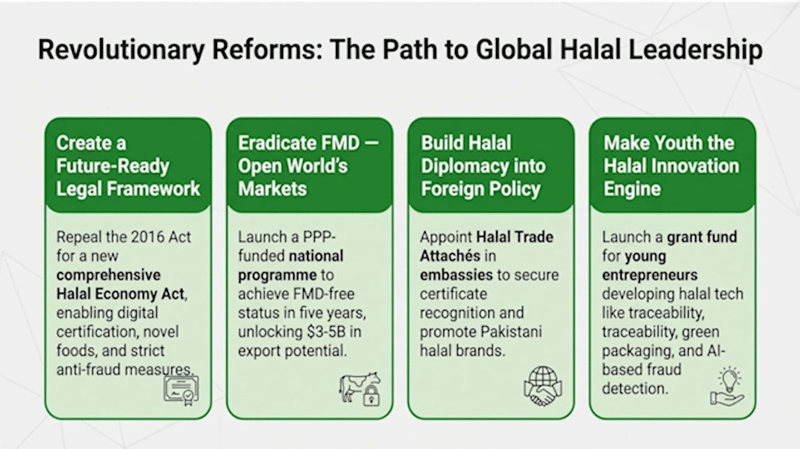
In his reform vision, he proposed the establishment of an independent “Halal Economy Authority” to unify fragmented institutions under a centralized and autonomous system. This authority would have four key divisions: standards and certification, technology and innovation, export promotion, and international accreditation. It would also be empowered to independently enter international agreements to strengthen Pakistan’s halal brand globally.
He also proposed a “Halal Tayyib Certification Mark.” This would not only ensure Shariah compliance but also represent environmental protection, reduced carbon footprint, child-labor-free production, and full traceability. This approach would position Pakistani products as a strong ethical and premium brand in global markets.
He recommended a mandatory national livestock traceability system, under which every animal would receive a digital or biometric identity at birth, with complete records of health, vaccination, feed, and movement maintained. This system, he noted, could serve as the foundation of trust in global trade.
He further suggested reforms, including strict criminal laws against halal fraud, international halal agreement frameworks, a green halal innovation fund, and mandatory halal training in educational institutions. He identified the elimination of Foot and Mouth Disease as a critical prerequisite for export growth, stating that a successful national program could unlock billions of dollars in additional exports.
He also proposed integrating “halal diplomacy” into foreign policy, with dedicated halal trade attachés in Pakistani embassies to promote access to global markets. Additionally, he emphasized youth as the central engine of this system, proposing a national halal innovation program to encourage startups and technological solutions.
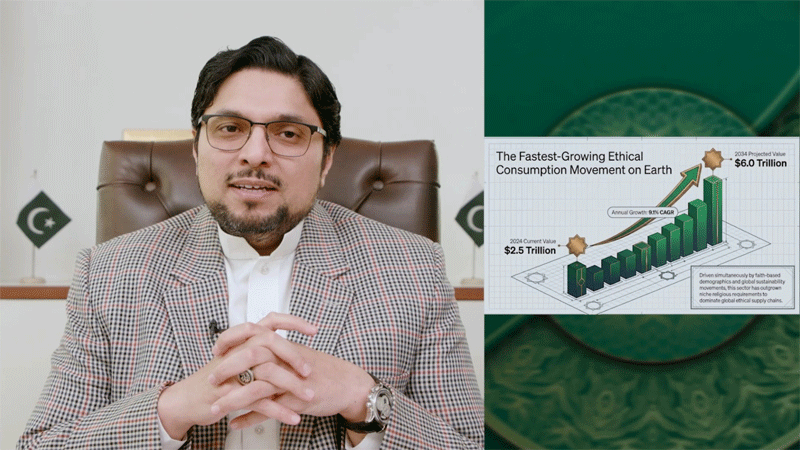
In conclusion, he reaffirmed that “Halal and Tayyib” represent a complete economic, ethical, and sustainable system based on transparency, justice, health, and quality. He stated that the world is already moving in this direction, and if Pakistan adopts serious reforms, institutional stability, and modern technology, it can assume a leadership role in the global halal economy.
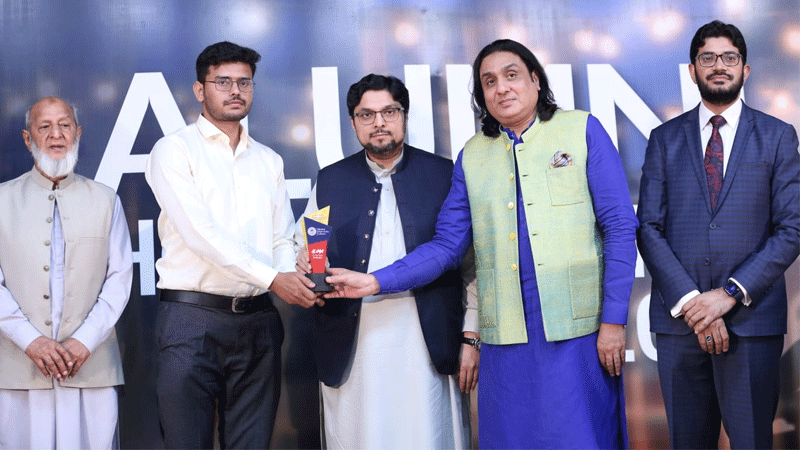
This vision was articulated during the 3rd Global Halal Industry Summit (GHIS 2026), organized by the Center for Halal Awareness, Research and Training (CHART) at Minhaj University Lahore under the theme “Sustainability in Halal Ecosystem: Digital Integrity & Green Innovations.” The summit brought together leading national and international experts to deliberate on digital transformation, global standards, and sustainable practices in the halal industry, where Prof. Dr. Hussain Mohi-ud-Din Qadri’s keynote presented a comprehensive and forward-looking framework positioning Halal and Tayyib as the foundation of a globally competitive, ethically driven, and technologically advanced halal economy for Pakistan.





Comments