
The Holy Prophet ﷺ perceived Allah with his eyes and with his heart, and his heart affirmed what his eyes had seen. Shaykh Hammad Mustafa Al-madani Al-qadri
The Mi’rāj was a manifestation of Divine compassion, allowing the Prophet ﷺ to witness the signs of Allah’s beauty and majesty amidst a time of deep grief and hardship. Shaykh Hammad Mustafa Al-qadri
Introduction
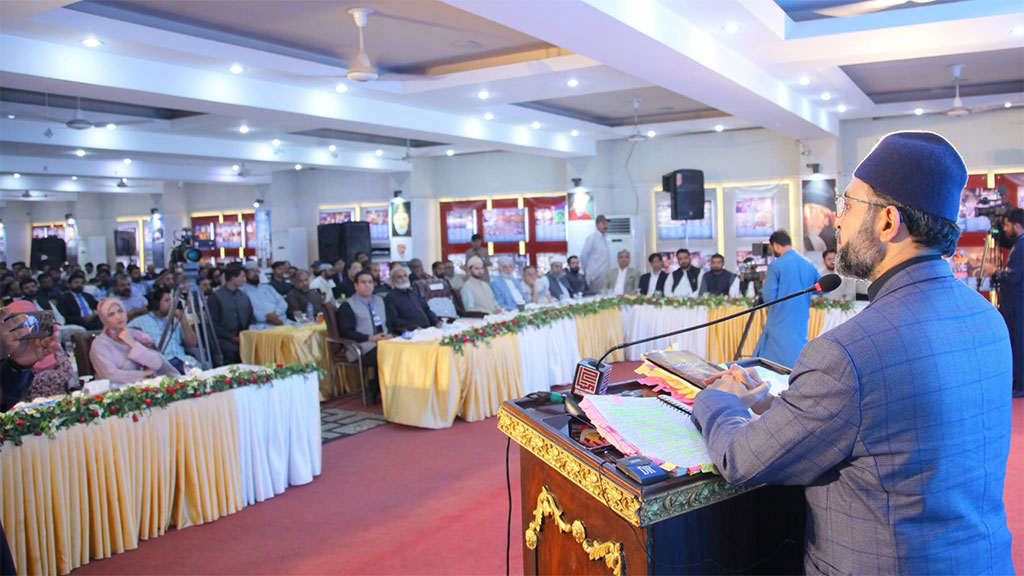
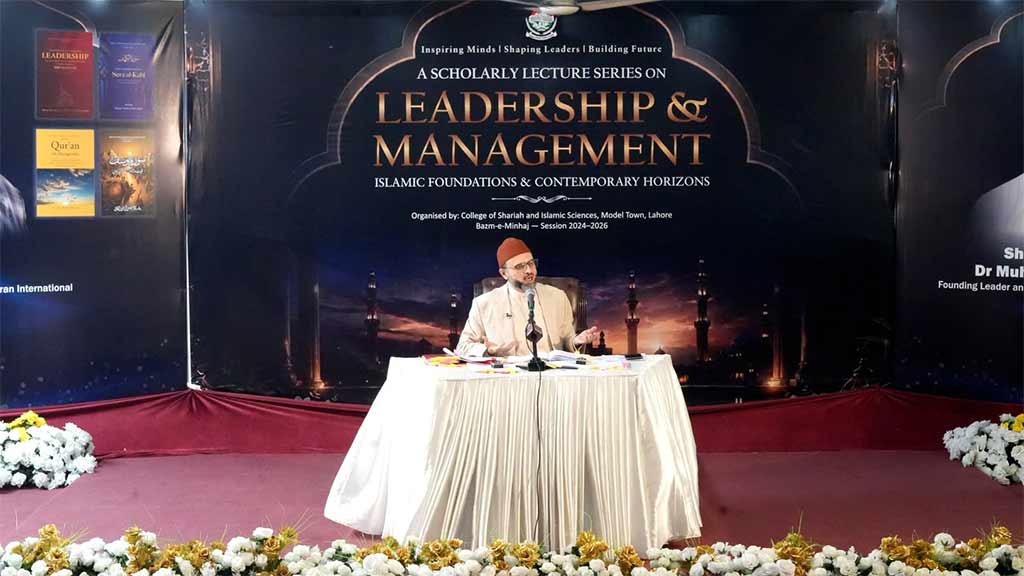
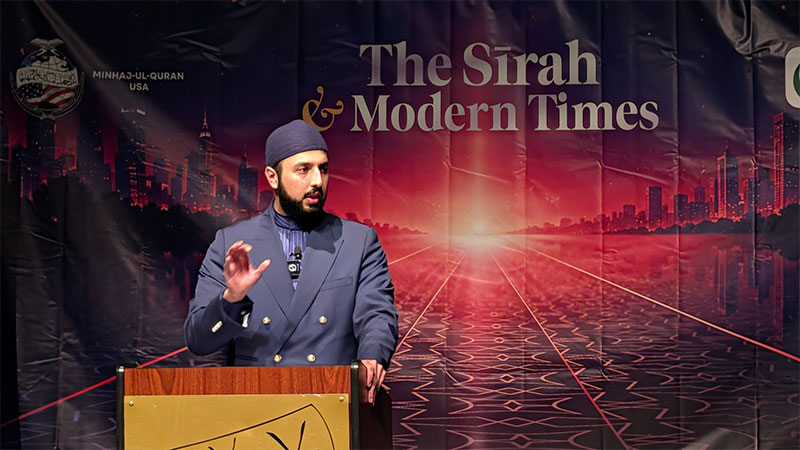
The night of al-Isrā wa-al-Mi’rāj is not merely a historical event but a profound manifestation of Allah's love for His Beloved Prophet Muhammad ﷺ. Celebrated globally, this miraculous journey represents the pinnacle of human proximity to the Divine Creator. In a recent address at Minhaj-ul-Quran International London, Shaykh Hammad Mustafa Al-madani al-Qadri explored the depths of this miracle, providing scholarly arguments to address misconceptions while unveiling the spiritual wisdom behind every stage of the journey.
From the Year of Sorrow to Divine Consolation:
The miracle of Mi’rāj took place approximately a year before the migration to Madina, following a period known as the “Year of Sorrow” (‘Am al-Huzn). During this time, the Holy Prophet ﷺ faced intense emotional pain due to the social and economic boycott by the Quraysh, and the passing of his beloved wife, Sayyida Khadija (R.A), and his protective uncle Hazrat Abu Talib (R.A). In this state of grievance, Allah عزوجل chose to console His Prophet ﷺ by bringing him into His immediate Divine Presence to witness the signs of His beauty and majesty.
The Three Stages of the Miraculous Journey:
Scholars divide this extraordinary night into three distinct stages:
1. Al-Isrā: The horizontal journey from the Holy Ka’ba in Makkah to Masjid al-Aqsa.
2. Al-Mi’rāj: The vertical ascension from Jerusalem through the seven heavens to the point where the universe ends, known as Sidrah al-Muntaha.
3. The Highest Journey: The secret stage where the Holy Prophet ﷺ was raised from the Divine Throne (Arsh) to the station of “Qaba Qawsayn,” where He ﷺ spoke directly to Allah عزوجل without any intermediaries.
Physical Body or Dream? Refuting the Misconceptions:
A common allegation raised by those who seek to diminish the status of the Prophet ﷺ is that the journey was merely a dream or a spiritual vision. However, Shaykh Hammad Mustafa Al-qadri clarifies that the entire journey was with the blessed physical body and soul together.
The Linguistic Evidence: Allah begins the description in the Quran with the word “سبحان” (Glorified be He). This word is used to introduce something extraordinary that shocks the human mind, not an ordinary occurrence like a dream.
The Protest of Quraysh: If the Holy Prophet ﷺ had claimed it was just a dream, the people of Makkah would not have protested or rioted. Their intense opposition proves they understood he was claiming a physical journey.
The Testimony of Hazrat Abu Bakr (R.A): When Abu Jahl challenged the event, Sayyiduna Abu Bakr (R.A) testified to its truth without hesitation, earning the title “Al-Siddique”.
The Symbolism of Buraq: A Divine Protocol:
Some question why a vehicle like the Buraq was needed if the journey was miraculous. Shaykh Hammad Al-qadri explains that Buraq was sent as a matter of protocol and honor, much like a host sends a luxury vehicle to receive a chief guest. While the Holy Prophet’s ﷺ soul was not dependent on any means, Allah عزوجل wanted to show the universe the esteemed status of His guest by providing the best of celestial transport.
The Leadership at Masjid Al-Aqsa: Imam of the Prophets عليهم السلام:
A pivotal moment of the night was the stop at Masjid al-Aqsa, where the Holy Prophet ﷺ led 124,000 Prophets in prayer. This transit was designed to establish his superiority; while the other Prophets عليهم السلام were present in their spiritual forms, the Holy Prophet ﷺ was present with both body and soul. Leading the prayer signified that He ﷺ is the Leader (Imam) of all Messengers and that his human form (Bashariat) holds a status higher than the lights of all other Prophets عليهم السلام.
The Concept of Basharia and Nuranya:
To truly understand the Holy Prophet’s ﷺ existence, one must recognize it as a combination of Bashariah (human characteristics) and Nuraniyah (radiant light).
His Bashariah included physical acts like sweating, but his Nuraniyah made that sweat more fragrant than musk.
His fingers were physical, yet they could split the moon or gush forth springs of water. During Mi’rāj, Allah perfected these realities, showing that the Holy Prophet’s physical form could transcend the limits of time and space.
The Ultimate Vision: Ro’yat-e-Ilahi (Seeing Allah):
The highest point of the Mi’rāj was the Vision of Allah عزوجل. Unlike Prophet Musa (A.S), who was told he could not bear the sight, the Holy Prophet ﷺ was granted the vision without even asking.
With Eyes and Heart: The Prophet ﷺ saw Allah عزوجل with both his blessed eyes and his pure heart, and his heart verified what his eyes saw.
Adab of the Vision: The Quran describes his conduct: [مَا زَاغَ الْبَصَرُ وَمَا طَغَى]
“His eye neither inclined aside nor overstepped the limit; (it gazed in ecstasy at Whom it was to gaze).”showing his absolute absorption in the Divine Beauty with perfect reverence.
The Gift of Salah for the Ummah:
The miracle of Mi’rāj concluded with a magnificent gift for the Muslim Ummah: the five daily prayers (Salah). Shaykh Hammad Al-qadri emphasizes that Salah is the Mi’rāj of the believer. It is through prayer that our souls can experience the same intimacy and proximity to Allah عزوجل that the Holy Prophet ﷺ enjoyed on that night. If we wish to embrace the secrets of this journey, we must establish prayer in our lives, allowing our hearts to transcend this material world and enter the realm of Divine presence.
Conclusion:
Shaykh Hammad Al-madani al-Qadri explains the reality of the event of Miʿraj al-Nabi ﷺ, its various stages, and provides rational and textual responses to the objections raised about it. He clarifies that this journey was not merely a dream but a physical and spiritual ascent, granted to the Holy Prophet ﷺ to console him after the Year of Sorrow and to acquaint him with the hidden mysteries of the universe. This blog also emphasizes the great gift bestowed upon the Ummah as a result of this journey, the obligation of prayer, so that every believer may attain their own spiritual ascension. Shaykh Hammad al-Qadri highlights that the journey of Miʿraj is a masterpiece of Divine Power that transcends the limits of human reason. It teaches us that after trials and hardships, the doors of Divine Mercy open, and that prayer is the means through which an ordinary believer can attain closeness to Allah.
Blogger: Dr. Muhammad Iqbal Chishti (Research Scholar)






Comments